
Always Tired After 8 Hours: 7 Real Reasons Explained
Introduction
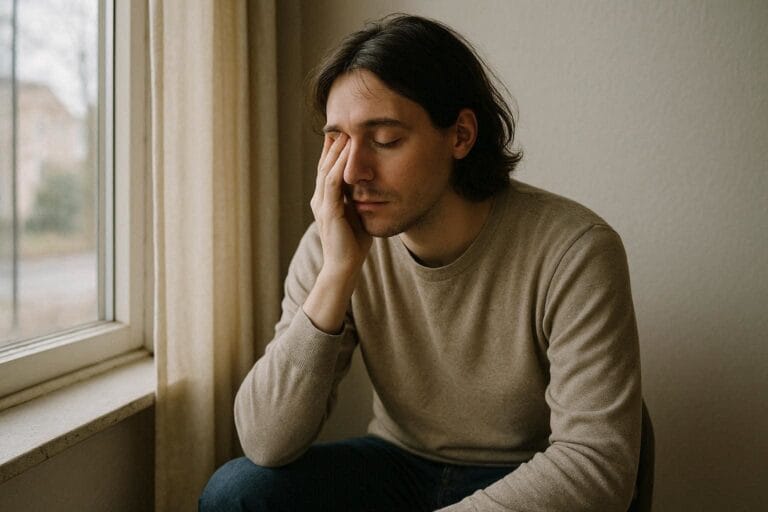
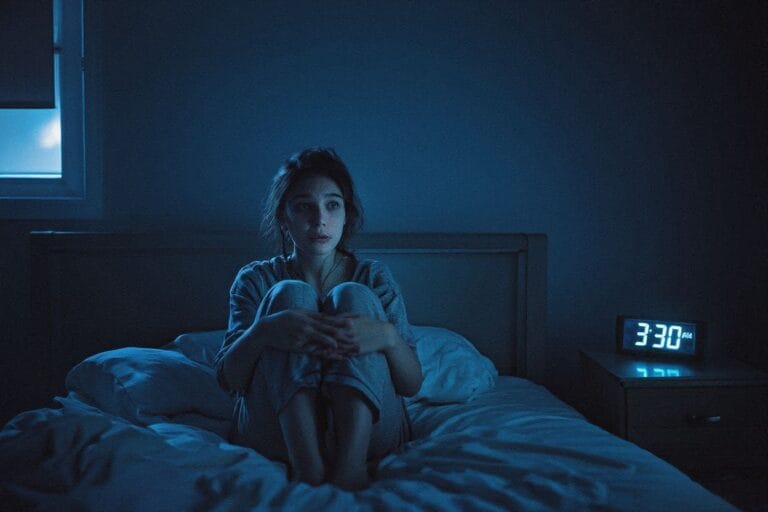
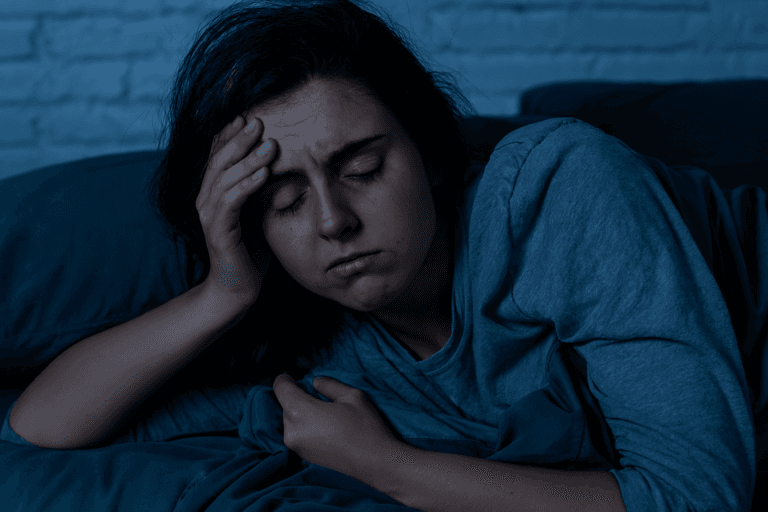
Always tired after 8 hours of sleep isn’t a mystery —Feeling wiped out despite sleeping eight hours? That’s normal – poor rest often comes from bad sleep quality, not short nights. Wake up groggy even after enough time in bed? Your body or habits might be messing with deep recovery. We’ll show what’s really messing things up, what fixes fail, and one thing you can tweak right now.
“Eight hours on the clock doesn’t mean your body actually recovered.”
Eight hours on paper means nothing if your brain never reaches real recovery.
Why You’re Always Tired After 8 Hours of Sleep
Always tired after 8 hours of sleep is usually a sign that your body isn’t completing full recovery cycles during the night. Even if your total sleep seems ideal at first glance, broken deep rest, bad timing, or constant tiny wake-ups might still drain your energy by dawn. That’s why just adding extra minutes usually fails – the real culprit isn’t how long you sleep, but what goes on during every phase of your nightly rhythm.
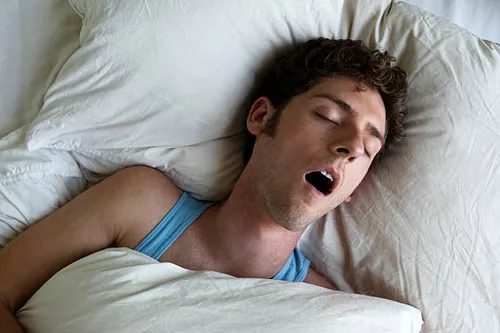
1. You’re Not Getting Enough Deep Sleep
During deep sleep, your body fixes itself. Most folks get just half an hour to three-quarters of one instead of ninety minutes or more.
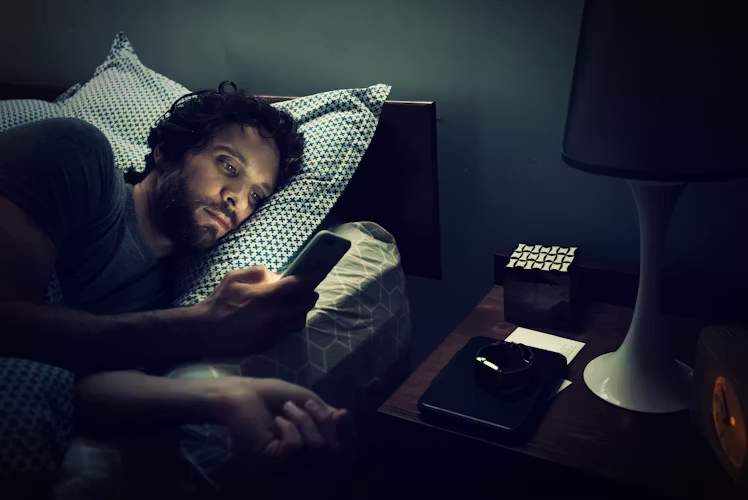
Here’s why: caffeine too close to bedtime, drinking booze at night, sleep times that jump around, or scrolling your phone after lights out.
Fixing things quick works fast – see changes in 3 to 7 days after tweaking routines.
2. Your Sleep Schedule Is Fighting Your Circadian Rhythm
Sleeping from 12 to 8 AM doesn’t work like 10 to 6 for all people. When your body’s rhythm fights your bedtime, you’ll rise tired regardless of how many hours you log.
Bottom line: pushing a “flawless” sleep schedule harms more than just going with your body’s flow.
3. Sleep Apnea or Breathing Issues (Often Undiagnosed)
Micro-wakings due to blocked airflow may occur many times every hour -yet they’ll slip your mind.
Red flags? Loud snoring – also a dry mouth when you wake up. Headaches each morning… that’s another clue. Feeling sleepy during the day? That fits the pattern.
Let’s be real – pills won’t solve it. Seeing a doctor will.
4. Blood Sugar Spikes During the Night
A meal packed with carbs or eaten too late might spike your blood sugar at night, disrupting deep sleep.
Shows results in about one to three evenings once you adjust when and what you eat.
5. Mental Fatigue ≠ Physical Fatigue
If your day’s full of thinking but short on moving, you won’t build much need for sleep.
Here’s the weird fact: a little walk each day helps you rest better than popping pills at night.
Your brain can’t recover from a day your body never participated in.
6. Micronutrient Gaps (Iron, Magnesium, B12)
You might rest plenty – yet run low on what fuels your body’s spark.
Here’s my view: just popping supplements without reason? That’s cutting corners. If you’re always tired, run some blood tests instead. Skip the guesswork – check what’s actually going on.
7. You Wake Up in the Wrong Sleep Stage
Waking up mid-deep-sleep triggers grogginess – like a thick mental fog. Instead of feeling alert, your brain drags, slowed right down.
Speed gets fixed fast – whenever sleep schedule shifts better.
Comparison: What Actually Helps vs What Wastes Time
Why “Always Tired After 8 Hours” Is a Sleep Quality Problem, Not a Time Problem.
Being always tired after 8 hours of sleep usually means your nervous system never fully powers down at night. Your body doesn’t glide into deep or REM sleep easily when stress, eating late, lights around, or shallow breath keep it half-awake. Because of that, counting hours isn’t enough – someone might snooze eight hours next to another person doing the same, yet feel totally drained while the other feels sharp.
| Method | Helps Fatigue? | Why |
|---|---|---|
| Sleeping longer | ❌ | Doesn’t fix poor sleep architecture |
| Melatonin nightly | ❌ | Often worsens next-day grogginess |
| Consistent bedtime | ✅ | Stabilizes circadian rhythm |
| Morning sunlight | ✅ | Resets sleep-wake cycle |
| Alcohol before bed | ❌ | Kills deep sleep |
| Light evening meals | ✅ | Reduces nighttime awakenings |
Clear verdict: Fix quality drivers, not sleep duration.
“Most people don’t have a sleep-time problem — they have a sleep-quality problem.”
What Didn’t Work (Common Mistakes)
- Hunting down 9 to 10 hours of shut-eye
- Using melatonin each evening
- Scrolling on your phone while lying down, just because it feels like a break
- Having a glass of wine hoping it helps you doze off
- Overlooking snoring along with trouble breathing
They don’t only fall short – they usually leave you more drained.
Do This Tonight: Step-by-Step Reset
- Quit coffee at least eight hours before sleep starts
- Eat your evening meal a good chunk of time – like three hours or more – before you head to bed
- No screens an hour before sleep – try reading instead or just chilling out quietly
- Step outside tomorrow – catch some sun for about ten minutes right after waking up
- Set your alarm at the same hour every day this week
- Sleep somewhere chilly and dim – around 65 to 68 degrees Fahrenheit
Lighter mornings should show up in about 2 to 5 days, while steady energy kicks in after 1 or 2 weeks.
Authoritative Sources Cited
- Sleep stages and fatigue — https://www.sleepfoundation.org
Explains deep sleep, REM, and recovery mechanisms. - Circadian rhythm science — https://www.ninds.nih.gov
Authoritative research on sleep-wake cycles. - Sleep apnea overview — https://www.cdc.gov/sleep
Public health guidance on sleep disorders.
Why am I always tired after 8 hours of sleep?
Because sleep quality, timing, and depth matter more than total hours. Poor deep sleep, circadian mismatch, or health issues are common causes.
Can stress make you tired even after enough sleep?
Yes. Chronic stress raises cortisol, fragments sleep, and reduces recovery even if you sleep eight hours.
How long does it take to fix feeling tired after sleep?
Some changes help in 1–3 days, but consistent energy usually returns within 1–2 weeks.