Sleep Paralysis Without Hallucinations: 7 Disturbing Experiences
Sleep Paralysis Without Hallucinations—Yes, It’s Real
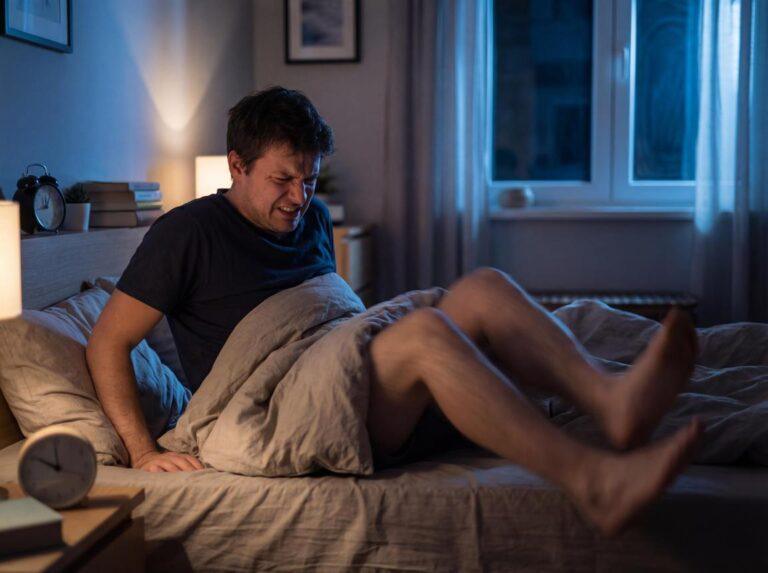
Sleep paralysis can be frightening even without the presence of hallucinations or shadow-like figures. Some people find themselves unable to move, speak, or react for a few seconds after waking up, but mentally they are aware of their surroundings.
Episodes without hallucinations are still considered a form of sleep paralysis and may happen during periods of stress, sleep disruption, anxiety, fatigue, or irregular sleep schedules.
What Sleep Paralysis Without Hallucinations Feels Like
Individuals talk about going through something like this:
- Stuck in your own body while still aware
- Scary fear even though nothing’s showing up
- Tight feeling in your chest or quick, light breaths
- A powerful need to act or say something—yet totally stuck, unable to respond
- Fear that something’s off, though everything seems fine
The lack of fake visions doesn’t mean it’s any weaker—instead, it hits just as hard.
In truth, lots of folks find it harder to understand, since the worry doesn’t come with a straightforward reason.
Some people find that the episode happens when they are under stress, don’t get enough sleep, keep irregular hours, or are woken up suddenly in the night.

Why Sleep Paralysis Can Happen Without Hallucinations
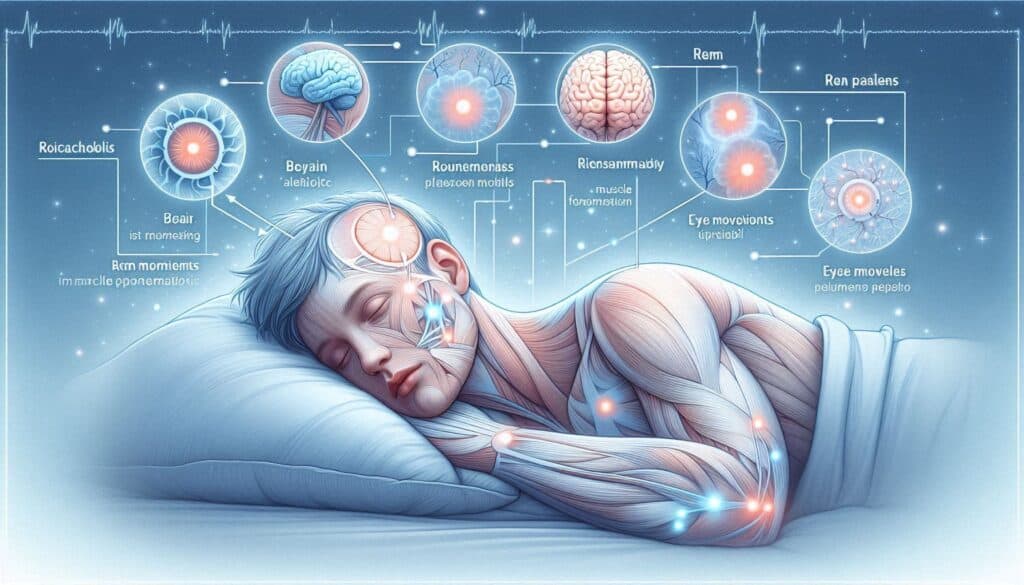
Sleep paralysis happens when your mind wakes up but your body doesn’t.
During REM sleep, the brain inhibits muscle movement — so you don’t act out dreams. If wake-ups intrude, that stillness remains.
If still the dream pictures have not gone, hallucinations come.
Many people describe the experience as suddenly becoming mentally aware but unable to move their body for several seconds.
Some people say that the episode is more frightening because they are wide awake and conscious but their body still feels temporarily frozen.
Episodes may feel more noticeable during stressful periods, poor sleep, or irregular sleep schedules.
If your mind wakes up fully from REM sleep—yet your muscles stay frozen—you’ll experience sleep paralysis minus the scary visions.
This means:
- Your body stays frozen
- Your fear hub fires up
- Your visual dream setup has shut down now
Everything’s there. Your mind simply shifted in another way.
Why It Still Feels So Scary Without Seeing Anything
Fear when you’re stuck in sleep paralysis isn’t just about seeing things that aren’t there.
It comes from:
- Losing grip on your body’s movements
- Confused breathing signals
- A hyperactive amygdala
Your brain sees stillness like a threat.
Even if there’s no sight involved, your body still jumps into survival mode. This is how fear hits fast—like in a calm space with nothing around.
Is Sleep Paralysis Without Hallucinations Normal?
Yes. Completely.
Many people:
- Never experience hallucinations
- Just feel stuck, frozen by dread
- Now and then, things flare up when life gets tense or rest is off track
This version shows up a lot in folks dealing with stress, messed-up sleep patterns, or just not getting enough rest now and then.
When Sleep Paralysis Without Hallucinations Is NOT Normal
You’d better check with a doctor if:
- Some days see more than one episode popping up throughout the week
- You feel super sleepy during the day
- You abruptly can’t move your muscles when you’re fully awake—like during laughter, rage, or intense joy
- Sleep paralysis comes with intense dreams—also extreme tiredness
Signs like these might point to narcolepsy—or maybe a different issue with sleep.
Now and then, isolated incidents aren’t risky at all.
Real-Life Example (Anonymous)
“I always read about demons and shadows, so when I had sleep paralysis without seeing anything, I thought it wasn’t the same thing. I was frozen, terrified, and fully awake, but my room looked completely normal. That confusion made it worse.”
This thing happens way more often than you’d think from reading regular posts.
What to Do During an Episode
You can’t shock your system wide open right away—though calming the rush is doable
- Focus on slow, shallow breathing
- Wiggle your toes or maybe shift your tongue
- Keep in mind the frozen feeling won’t last forever
- Avoid pushing too hard in a fight—it fuels fear instead
Many scenes stop real quick—just a few seconds or so.
How to Reduce Future Episodes
The best approaches? They’re straightforward – yet steady over time because they stick to basics without fluff or hype
- Maintain a consistent bedtime routine—stick to it every day without fail
- Lay on your side instead of your back when you sleep
- Cut back on coffee later in the afternoon
- Handle worry plus calm your mind
- Boost how well you rest at night
It’s not about one quick fix. Staying steady counts way more than pills or powders.
If you regularly suffer from sleep paralysis , excessive daytime sleepiness , breathing problems while sleeping , or symptoms associated with narcolepsy , always consult a healthcare professional .
Does Sleep Paralysis Without Hallucinations Mean Anxiety?
It does not happen every time but worry can make it more likely.
A stressed nervous system changes irregularly between phases of sleep—making it easier to wake up halfway through. If you are a nervous person, the transition from deep sleep to light sleep is a rough one, which means that you are likely to stir, though not fully wake up.
If you can reduce your daily stress, there will be less flare-ups because calmer minds handle triggers better.

Related Sleep and Anxiety Articles
Sleep paralysis can sometimes accompany other sleep-related problems such as anxiety, sleep disruption , unusual sensations in the body, or poor sleep quality.
Yes. Many people experience paralysis and fear without hallucinations.
No. It cannot harm you.
Because dream imagery exits the brain at different speeds during waking.
Yes. Anxiety increases sleep fragmentation and partial awakenings.
Sources & References- Sleep Foundation – Sleep Paralysis Overview
- NHS – Sleep Paralysis
- PubMed – Sleep Paralysis Research Review
CONCLUSION
Sleep paralysis can be an unpleasant or scary experience even without hallucinations . Waking up and being mentally aware but completely immobile can be scary . Episodes can happen during times of stress, poor sleep, anxiety, fatigue, or irregular sleep patterns.
Although occasional sleep paralysis is generally not a cause for concern, frequent episodes, substantial sleep disruption, breathing issues during sleep, or narcolepsy symptoms should always be reviewed with a health care provider.
Improving sleep habits, reducing stress, and maintaining a more consistent sleep routine may help reduce nighttime sleep disturbances over time.