
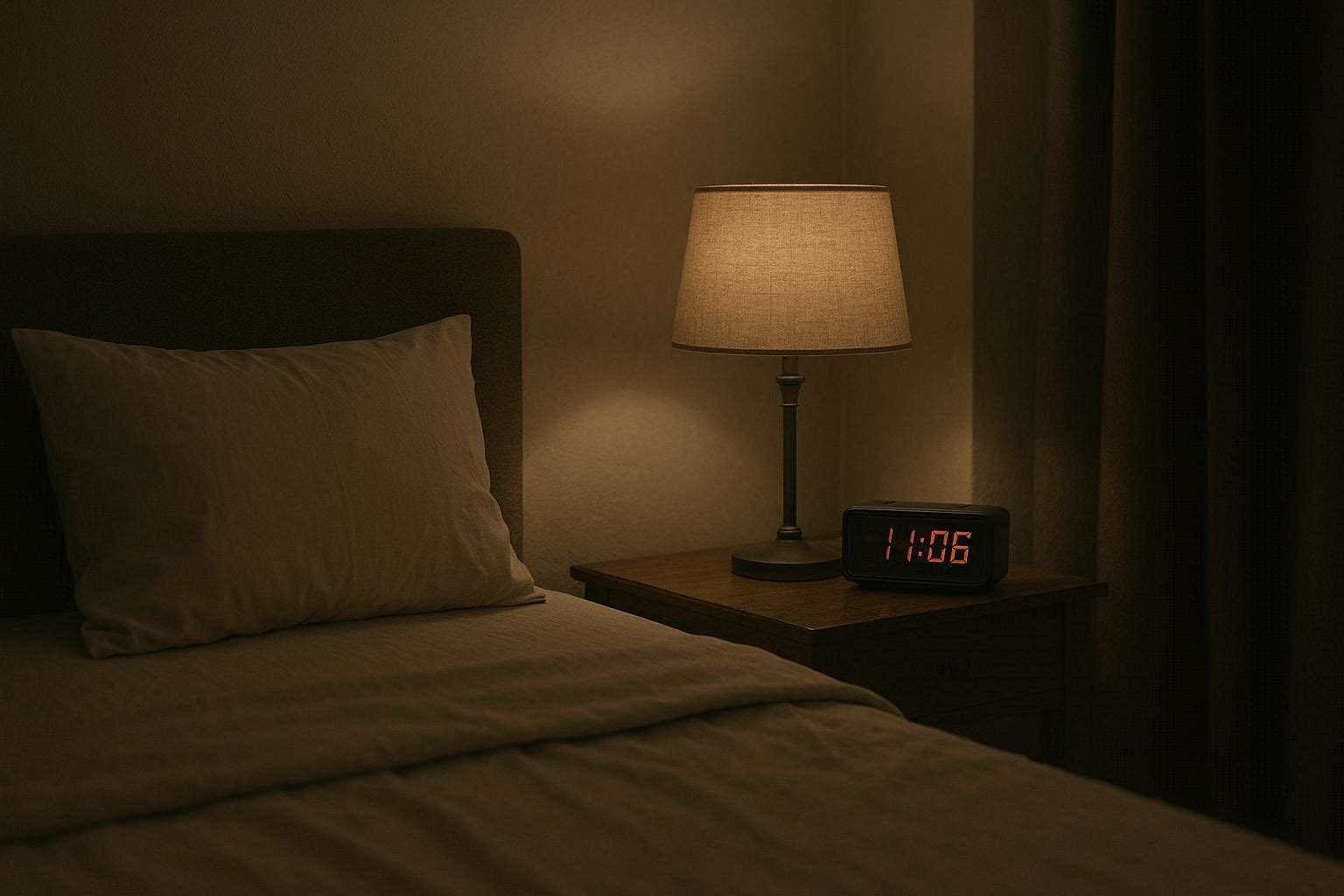
How Late Is Too Late to Sleep? What Science Says
How late is too late to sleep? No single hour fits every person. Staying up much later than usual messes with how your body keeps time, even if you count full nights. Often it’s not the number on the watch that gives trouble – it’s waking up foggy, out of step, though rest should’ve been long.
Wondering if your bedtime messes with rest? That doubt shows up for plenty of folks. The hour you hit the pillow weighs heavier on sleep than many guess.
Sleep timing matters because your brain expects rest within a predictable window, not at a specific clock hour.
What This Sleep Problem Actually Means

What keeps folks up might not be trouble falling asleep – it’s often just bad timing. A question about bedtime shifts reveals more than it seems at first glance.
When darkness comes, your body knows it is time to slow down because of an internal clock running on a daily pattern. That rhythm lines up with nighttime in a way that makes drifting off more likely plus keeps rest heavier once you are under. It handles things like wakefulness, sleep timing, hormone shifts, along with how warm or cool you feel – all without you needing to think about it.
Most nights falling asleep well after your usual bedtime is what counts as too late, not just one-off late hours. It throws off the brain’s ability to manage deep, healing sleep phases – despite logging enough hours overall.
Common Reasons This Happens
Sleeping late tends to creep in slowly, never by design.
Later at night, certain individuals simply stay awake more easily – biology shapes their inner clock differently. For some, the evening offers rare peace, pulling them into later rhythms. Bright lights from devices can also push back sleep, tricking the body’s cues in subtle ways.
When sleep times jump around, it throws off the system. One day early, next day late – brain gets confused by the shift. Slowly, the body forgets when to signal rest. Patterns fade, replaced by uncertainty each night.
Above all, the mind needs activity. When stress shows up, when challenges arise, even when information never stops flowing – this keeps thinking sharp far beyond physical exhaustion.
This isn’t about lacking effort or drive – rather, it shows how easily sleep schedules respond to routine choices.
How This Affects Sleep Quality and Daily Life
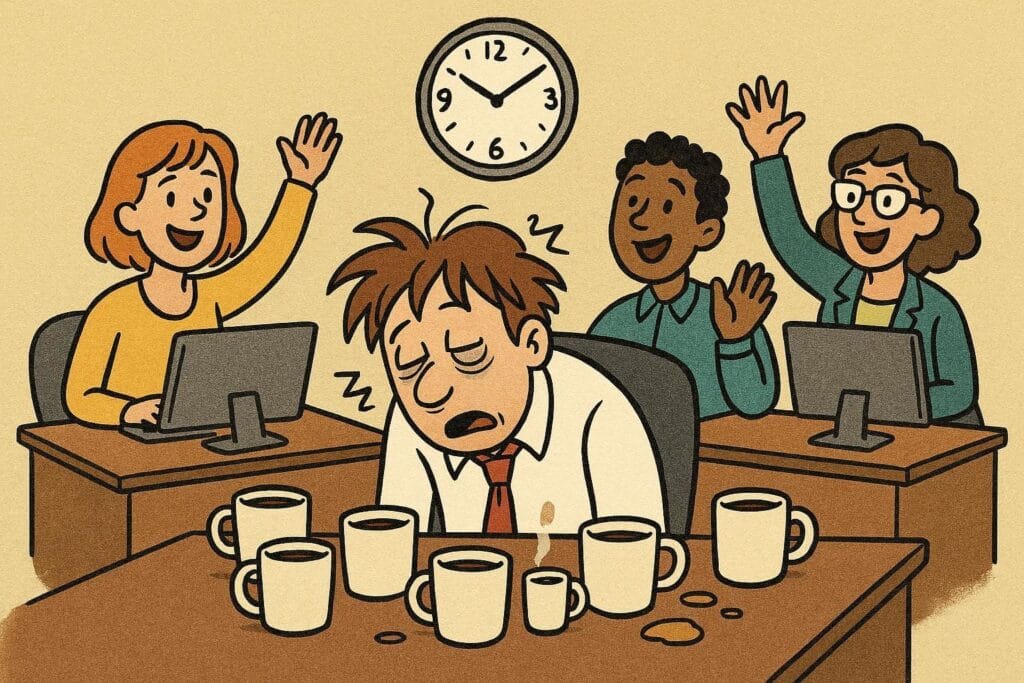
Later bedtimes cut more than hours. They shift the way rest unfolds through the night.
Late bedtimes are associated with:
- Less deep sleep earlier in the night
- Fragmented sleep toward morning
- Difficulty waking feeling refreshed
- Mental sharpness dips at times throughout daylight hours
Some folks say they can’t work well without coffee, while others notice their mind sharpens when the clock nears midnight – this keeps the pattern going. A morning brew becomes routine just as much as burning the candle late does.
This steady rhythm might slowly chip away at how well you sleep, despite clocking enough hours.
What Actually Helps
Evening rest lacks a one-size-fits-all hour; yet patterns matter more than perfection. Your internal clock runs smoother with regular hours instead of shifting schedules.
Mornings begin easier when bedtime stays steady. Because the mind slowly learns the rhythm, darkness brings drowsiness like clockwork.
Sleep isn’t just about when you lie down. A slow fade from bright lights and busy thoughts tells your body it’s time to drift.
What matters just as much is when you start your day. Sticking to the same time each morning sets your body’s clock, helping you grow tired later – yes, even if last night was rough.
Jump into the complete sleep health guide to see how timing plays a role alongside rest and recovery. This look digs into sleep phases, body clocks, by showing habits that stretch across weeks or years.
Understanding sleep timing is part of overall sleep health Sleep Health Guide , which includes circadian rhythm, sleep stages, and long-term consistency.
When This Might Need Professional Attention
Now and then, going to bed late happens. See someone who can help when it keeps happening
- You consistently cannot fall asleep until very late
- Late sleep timing interferes with work or daily responsibilities
- You feel alert only at night and exhausted during the day
- Still going after a few months, not just weeks
Bottom Line
Midnight isn’t some hard deadline. Yet drifting away from your body’s natural rhythm night after night chips slowly at how well you rest, how clear you feel the next day.
Most nights might add up, yet morning grogginess lingers – timing usually plays a bigger role than total time. Seeing this difference clearly opens the door to steadier, deeper recovery each night.
For general, non-commercial information on how sleep timing is regulated, the Sleep Foundation’s overview of circadian rhythm and sleep timing provides a clear explanation.