

Sleep Debt Symptoms Most People Ignore
Sleep debt symptoms rarely feel extreme or urgent.Little shifts in how you feel day to day – energy dipping, attention slipping, emotions wearing thin – are often brushed off as just part of growing older. Slowly, these unnoticed layers pile up, turning tiredness into something ordinary, not tied to rest at all.
Falling short on rest? That groggy daily grind might trace back to hidden sleep deficits. Still moving through your day fine – just never quite recharged.
What Sleep Debt Actually Means
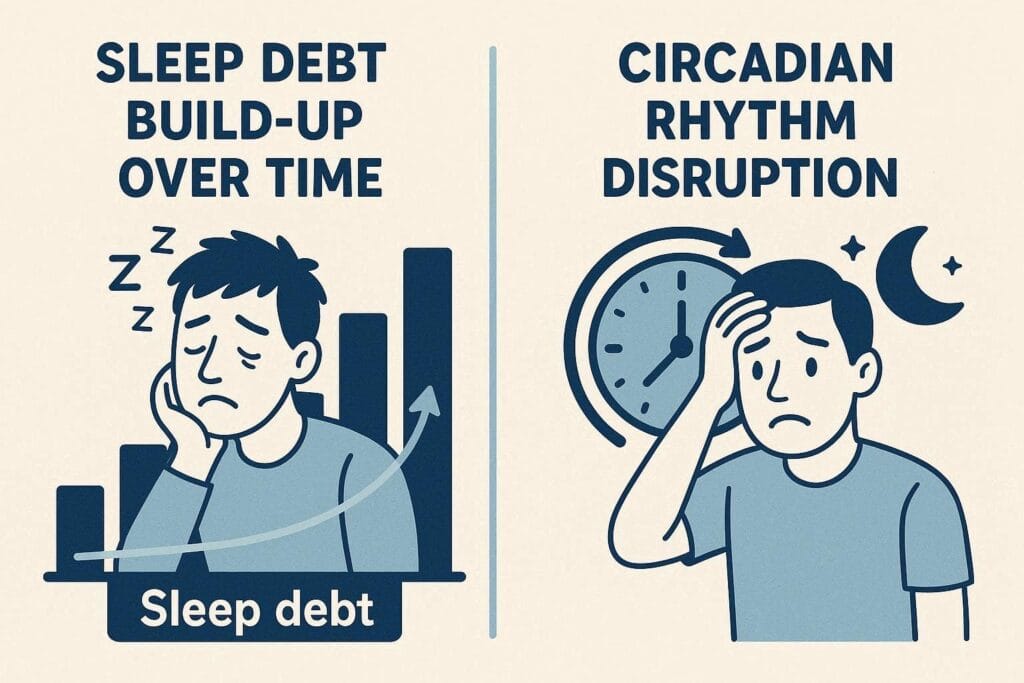
What happens if nights are just a bit too short? The body keeps score. Not getting enough deep rest might not feel dramatic at first. Yet small gaps add up – week after week, month after month. It is less about total loss, more about repeated shortfall.
What you lose isn’t just about time in bed. Off-kilter routines mess things up, so does sleeping at odd times. Waking often breaks rest, while shallow nights count too. Your mind logs every missing piece, whether you notice it or not.
Slowly piling up, missed sleep slips under the radar. People barely feel it weighing them down.
Sleep Debt Symptoms Most People Overlook

What feels like daily strain might actually be missing rest, not just pressure from routine demands.
Foggy thinking sneaks in first. Attention slips, bit by bit. Coffee becomes a crutch more often than before. Small frustrations start to feel heavier. Daylight hours bring drag, yet nighttime sparks wide-awake energy. Slow shifts like these? They blend into routine without warning.
When things seem fine, folks often change what they expect rather than wondering about their rest.
Why Sleep Debt Feels Normal Over Time
Slowly, the weight grows beyond mere exhaustion – it seeps into ordinary seconds. Around noon, attention stretches thin, much like weathered paint cracking on outdoor beams. Decisions drag, each one feeling heavier, pulled forward through damp earth. Energy slips away quietly, similar to a device dropping connection out of nowhere. Emotions shift faster now, nudged by tiny events once ignored completely.
Funny how just one lousy night of sleep can tilt everything sideways. When shut-eye feels thin, the body stumbles trying to catch up – timing slips, healing drags, lost minutes stack like unread notes left on a desk.
This is why some people rise feeling worn out, despite plenty of time spent in bed
How Sleep Debt Affects Daily Life

Eventually, what builds up isn’t just tiredness – it’s how it leaks into daily moments. By midday, focus thins like old paint peeling off wood. Choices take longer, as if each one drags through mud. Drive fades without warning, like a phone losing signal. Moods tilt easier, stirred by small things that didn’t matter before.
Falling asleep might become trickier when rest doesn’t quite hit the mark one night. That light, unsatisfying slumber sets off a chain reaction – rhythms wobble, recovery slows, and missed hours pile up without notice.
That’s what makes certain folks wake up tired, even after long hours under the covers.
What Actually Helps Reduce Sleep Debt
One night won’t erase what’s been lost. Staying steady matters more than sudden fixes.
When bedtime stays steady, the body learns when to feel tired again. Instead of just adding more time asleep, going with your inner clock makes rest deeper. Sleep gains strength through consistency, not only duration.
These principles are part of overall sleep health, which includes sleep stages, timing, and long-term patterns that support recovery.
When Sleep Debt Might Need Attention
Fatigue that won’t fade might not only stem from missed rest – sometimes, poor sleep patterns have simply lasted too long.
Might make sense to talk with someone trained, should fatigue, fuzzy thinking, or restless nights drag on month after month even with steady routines. What’s behind these patterns could need a closer look.
For general, non-commercial information on how accumulated sleep loss affects the body, the Sleep Foundation provides a clear overview of sleep debt and its effects.
Bottom Line
Few notice how tired they really are until it’s been weeks. Little by little, poor rest becomes routine without anyone calling it out.
When tiredness, cloudy thinking, or weak bounce-back start feeling normal, hidden sleep shortages could be playing a role. Spotting these clues sooner opens space for slow, steady upgrades in rest and healing.