Sleep Anxiety: Why Worrying About Sleep Makes It Worse
Sleep anxiety happens when concern about falling asleep or sleeping “well enough” keeps the mind alert at night. Worrying about falling asleep makes letting go feel impossible. That tension turns rest into something tense, feeding the struggle.
Your body’s worn out, yet your thoughts won’t slow down when night comes – could be sleep anxiety creeping in. Lights off, and everything speeds up inside? That tension might not just be stress. Sometimes exhaustion brings jittery energy instead of calm. Rest feels close, but your head keeps arguing with silence. Not always about being busy – it can be fear disguised as alertness.
What Sleep Anxiety Actually Means
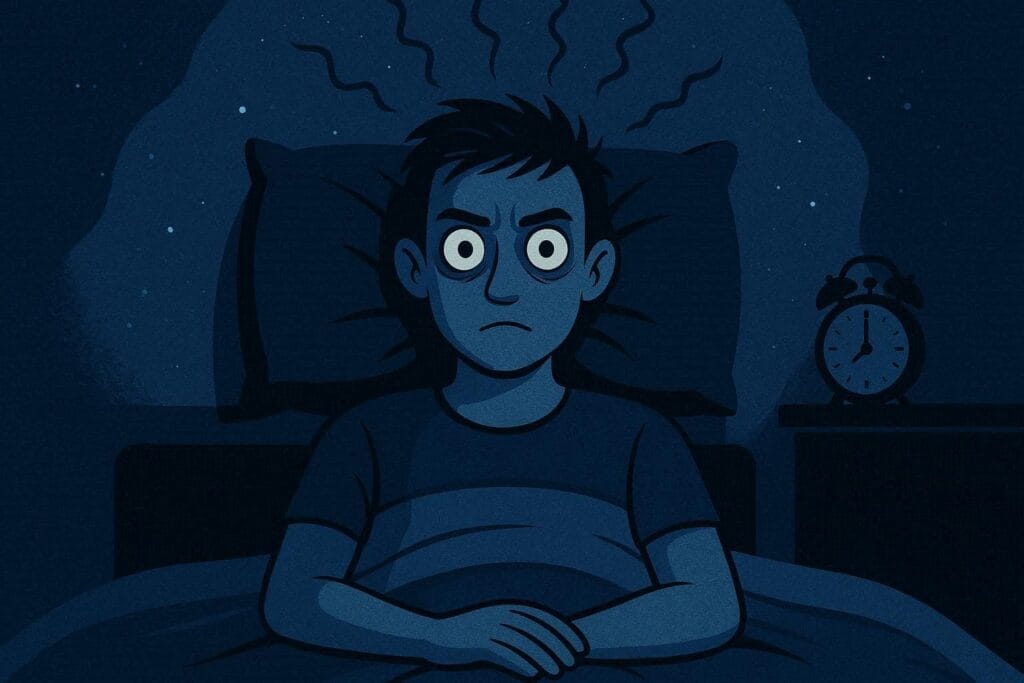
Worries about sleeping don’t make up a separate condition. Instead, they form a habit – where rest feels like a task needing effort, not something the body does on its own.
- Midnight stretches on. Maybe rest won’t come back this time.
- Sleep has to come fast, or everything falls apart by morning.
- Right when the body should ease up, those ideas switch on the brain’s warning signals.
Built into your body, sleep runs on its own -circadian timing, buildup of tiredness, how alert or calm nerves feel. They function most smoothly without you trying to control them.
When worry shows up, the mind treats it like a nudge to pay attention
Why Worrying About Sleep Backfires
Built into your body, sleep runs on autopilot – driven by daily cycles, tiredness that builds up, then a calm or alert nervous state. They function smoothly only when left alone.
When you worry about sleep:
- Worry shows up, the mind treats it like a nudge to pay attention
- A little rise happens in stress hormones
- Heart rate and mental activity remain elevated
A little unease can be enough to delay falling asleep. What matters here isn’t blame or mistake – it’s how the mind reacts when it senses demand. The response makes sense, even if it feels inconvenient.
Fighting to drift off tends to jolt the mind wide open.
How the Anxiety–Sleep Cycle Forms
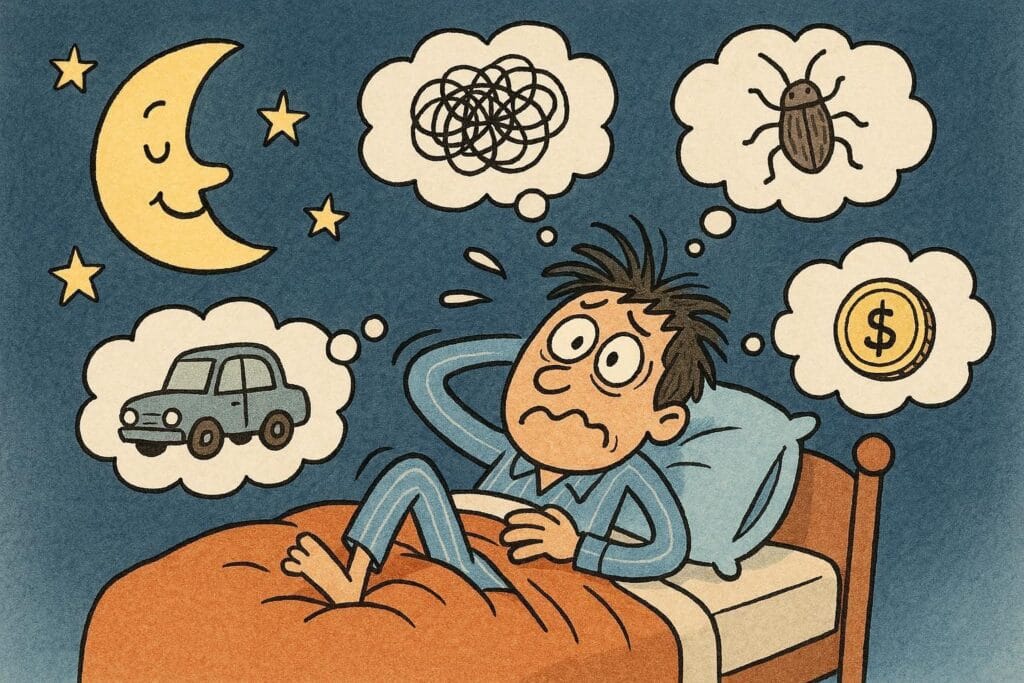
Few rough nights often spark sleep troubles. From there, worry steps in, shaping what comes next.
Here is how it usually goes
- One or two nights of poor sleep
- Increased attention on sleep quality
- Bedtime becomes mentally charged
- Sleep becomes lighter or delayed
- Fear grows stronger when darkness returns
Eventually, sleep feels like work instead of relief. When days get calmer, the worry stays stuck anyway.
How Sleep Anxiety Affects Sleep Quality
Worries at bedtime might not stop rest entirely. Sometimes, they just twist the way slumber unfolds.
People may notice:
- Longer time to fall asleep
- Lighter, more fragmented sleep
- Increased awareness of awakenings
- Feeling unrefreshed despite enough hours
Even when you doze off, the effects can sneak up quietly. Yet tired thoughts make nights feel less healing by morning.
Fatigue creeps in even when nights seem restful, simply because worry lingers at bedtime.
Why Monitoring Sleep Makes It Worse
Waking up mid-sleep to check the time might make rest feel harder. Staring at numbers, even once, pulls focus away from quiet moments. Counting down the night often backfires, leaving tension instead of calm. Each glance at the clock adds weight, not relief.
Watching nonstop makes the mind stay on alert: scanning, comparing, weighing each moment as it comes. Always ready to judge what happens next
- Still awake?
- What’s the countdown now?
- Could this be sufficient downtime?
Trying to measure rest often backfires. When slumber turns into something you track, letting go feels nearly impossible.
Few realize that getting better often starts once rest is no longer seen as a score to track each evening.
What Actually Helps
Worries at bedtime fade when you stop trying so hard to quiet your mind. Instead of chasing stillness, try seeing sleep differently.
When things happen the same way each time, it teaches the body how to relax after dark. A steady pattern makes guesses less necessary, even if every step isn’t fixed in stone.
These ideas fit within overall sleep health, which focuses on rhythm, predictability, and long-term patterns rather than nightly performance.
Stopping the chase for perfect results matters most. Rest can heal even when sleep feels broken. Belief in downtime, shaky as it may seem, eases tension slowly. Peace grows where expectations loosen.
When Sleep Anxiety Might Need Attention
When nights fill up with thoughts about sleep, when days feel heavier because of it, or when bedtime brings a sense of unease – talking with someone trained might help. Sometimes just having another voice can shift how things feel.
When support shows up, it quietly loosens tight knots of learned worry. Nighttime thoughts begin to settle, not because there was a flaw to fix, but simply through presence. Relief often grows where judgment isn’t planted first.
For general, non-commercial education on how stress and sleep interact, the Sleep Foundation provides clear explanations of anxiety-related sleep difficulties.
Bottom Line
Trying too hard keeps sleep away. When rest turns into a task demanding focus, it slips further out of reach.
Realizing you picked up this pattern – and can unlearn it – helps let go of guilt. Once demands slow, rest tends to return without forcing it.