

Why You Sleep Worse on Weekends (Social Jet Lag Explained)
If you’ve ever noticed that you sleep worse on weekends, you already know how strange it feels. Funny how stillness arrives – then nighttime turns restless, delayed, thinner somehow.
When Friday night shows up, tension fades – yet rest decides to wander off instead.
Saturday feels okay.
Heavy air settles by Sunday evening. Restlessness creeps in without warning. Frustration builds quietly, then stays too long.
Most tips jump straight into answers. Yet behind every answer sits something deeper: seeing it clearly. When the same thing repeats, chance has little to do with it – nor is it proof of some flaw in how you rest
The shift your body notices before you do
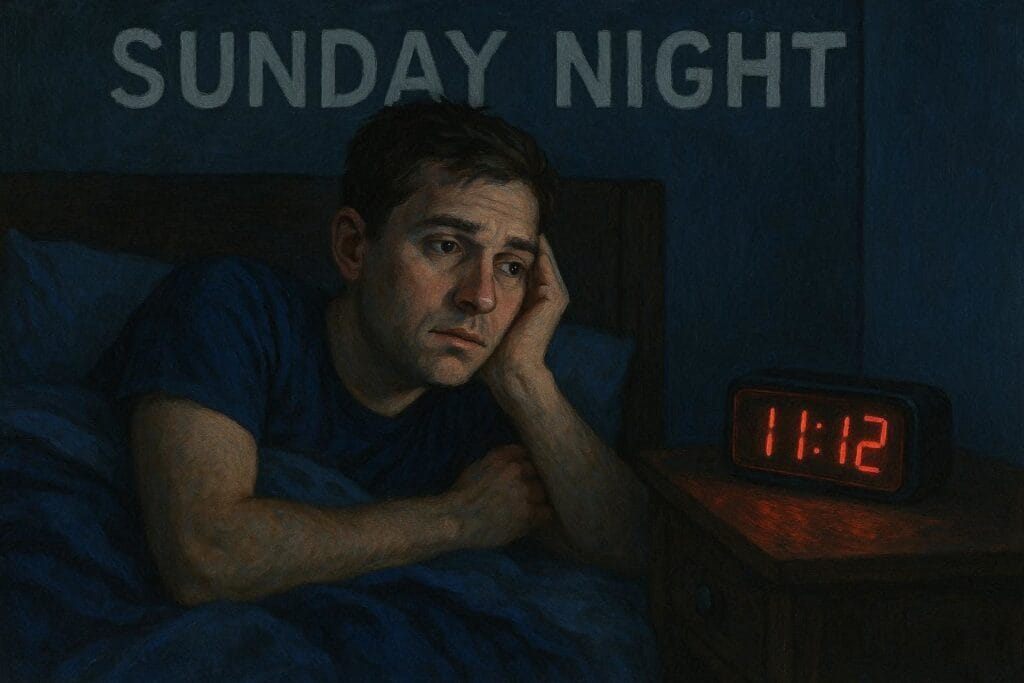
Weekdays keep your rest on track through just one anchor: when you rise.
Mornings tend to stay steady, even when nights shift unpredictably. This quiet reliability matters far more than many notice.
Weekends roll around, then it’s gone without a trace.
Sunlight lingers on the pillow while you stay tucked under blankets.
Meals move later.
Light exposure changes.
When light changes fast, your internal rhythm stumbles before you even notice.
Funny thing – this isn’t about diagnoses at all. Instead, it’s the quiet gap between when your body wants to rest and when life says go, turning steady sleep into something uneven.
Few notice until Sunday evening drags on, revealing just how much rest shapes healing.
Why catching up on sleep sounds smart—and backfires
Falling behind on shut-eye? It makes sense to make it up later. Exhaustion hits. Then longer rests follow. That should fix things.
Sleep won’t store up extra hours for later use.
Lying in bed past your usual hours shifts everything inside you further into the evening. Melatonin release gets held back by your mind. When sleep should start, tiredness shows up – yet real drowsiness misses the mark. Wide awake under covers, thoughts race about missing stillness just when life slows down.
Sometimes rest doesn’t restore. Weekend sleep shifts confuse the body’s rhythm. Effort isn’t missing – patterns change. That mismatch brings fatigue, not recovery.
True, that link explains something else too – the odd fatigue showing up despite eight solid hours rest, following every rule to the letter.
When weekends quietly add pressure instead of relief
Most folks miss what comes next. It hides just beneath the surface.
Weekends come with expectations:
- Rest is what you need right now
- Fun isn’t forced – it just shows up when you stop trying so hard
- Monday should bring some relief
This time, nighttime brings a shift in how nerves respond. Rather than relaxing, thoughts start weighing things up
Still feeling worn out? Maybe rest wasn’t deep enough. Time slipped away, but peace didn’t follow. Energy stayed low, even after pauses. Perhaps calm was missed between moments.
This doesn’t feel like intense fear. Just a quiet watchfulness – yet that alertness kills rest.
Why doing everything “right” still doesn’t fix this
Sleep routines often expect life to stay steady.
Weekends aren’t stable.
Weekends might wreck your sleep even if you skip caffeine, reduce screen time, try meditation, do stretching – timing misalignment stays untouched. Your body clock slips without consistent cues, no matter the habits Monday through Friday.
Life does not stick to a fixed routine, so expecting one is out of touch.
Biology doesn’t wait just because someone says it should.
Is sleeping in really such a bad thing?
What matters is the amount of deviation your setup allows before rest begins to suffer.
This one depends on you – shifts as years pass, pressure builds, nights shorten.
The trade-off most advice refuses to admit
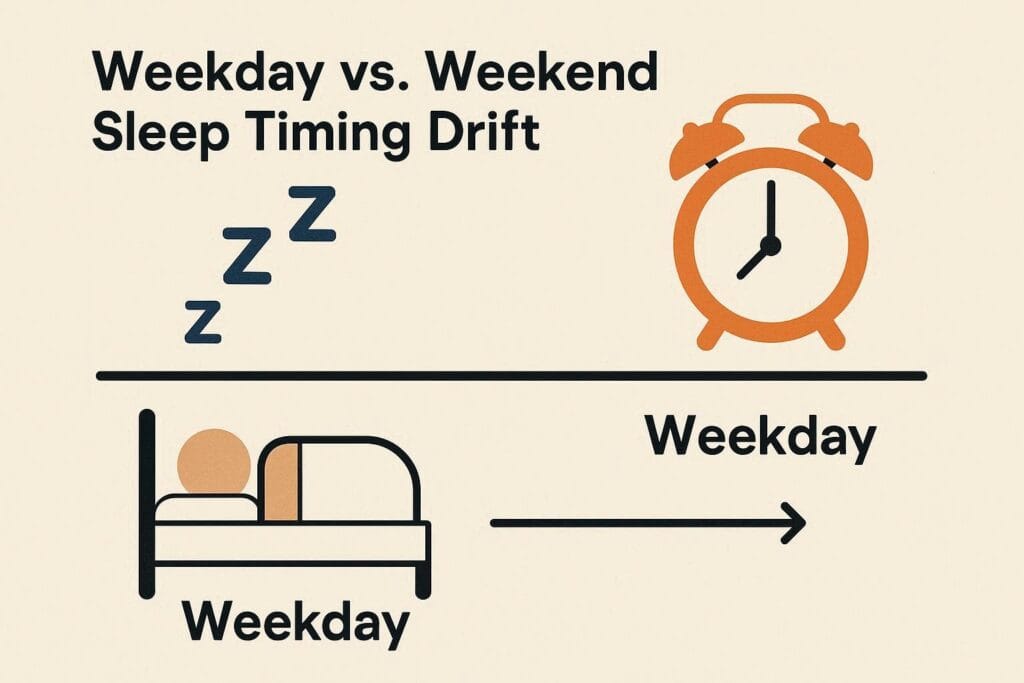
Weekends always swap something good for something lost.
Sunday mornings feel good when you stay in bed – yet that choice tends to haunt you by evening. Rest might seem sweet at first, but nighttime pays the price instead.
Midnight hours feel liberating – yet chip away at the body’s need for rest down the line.
Nothing fits every situation perfectly. Decisions gain clarity when you know what matters most.
Folks tend to relax about bedtime once that clicks – then rest follows easier, just from letting go.
When aiming to understand the duration needed for sleep patterns to settle once more, think about how much time is actually required to repair disrupted sleeping cycles.
How Sleep Timing Really Affects Your Overall Sleep Health
What science explains—and where it stops helping
Organizations like the National Institutes of Health explain how circadian rhythms respond to light and wake time.
The Sleep Foundation explains why irregular schedules reduce sleep quality.
Those explanations are useful. They set boundaries.
What they can’t tell you is how your Friday night dinner, Saturday naps, and Sunday dread combine into one restless night. That’s where lived context matters more than rules.
A more realistic way to think about weekends
Weekends don’t need fixing. Ease into Monday instead of forcing it.
- Perhaps it’s just a brief nap, nothing intense or long
- Anchoring wake time while letting bedtime float
- Somehow, Sunday evenings start to seem less heavy. A quiet shift happens when worry doesn’t rush in
Facing it straight – when workdays constantly wear you down, rest days mess up how you sleep. This isn’t about lacking control. It’s out-of-sync living.
Somewhere between Friday night and Sunday dusk, rest finds a different rhythm. That shift does not mean the pattern was shattered before.
A signal gets confused when messages clash. That reaction follows the confusion naturally.
Weekends shift from catch-up zones to rhythm puzzles, then sleep flows smoother instead of fighting uphill.