Why Your Body Jerks When You’re Falling Asleep (And It Feels Scary)
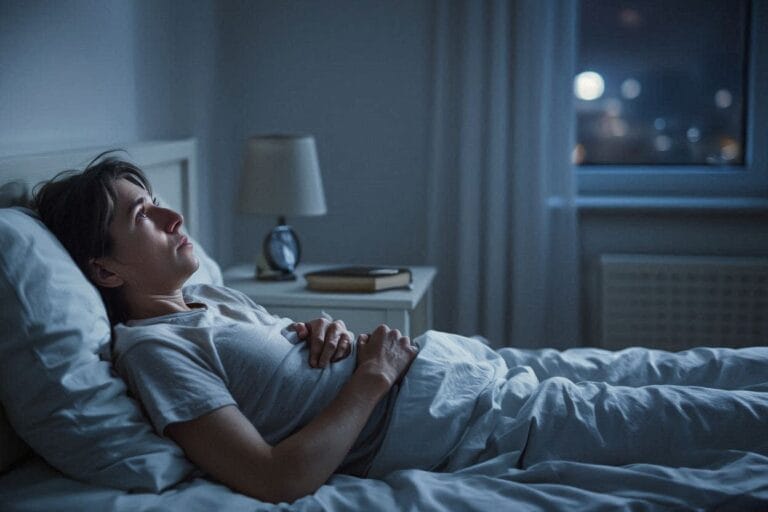
You’re just about to fall asleep.
Your body is relaxing. Your thoughts are fading. Everything feels calm.
And then suddenly—
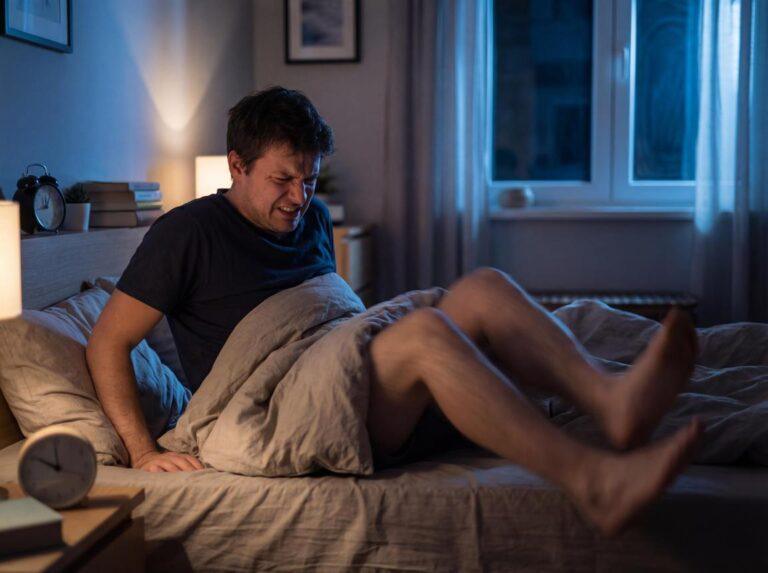
Your body jerks.
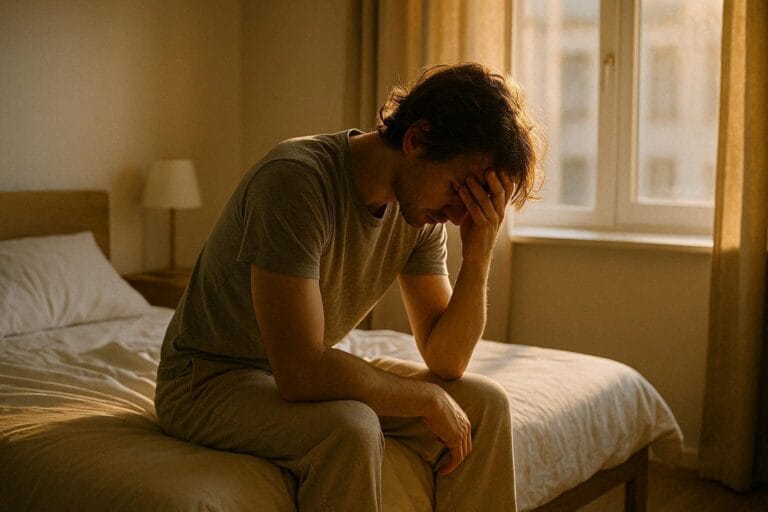
Many describe the movement as a sudden jolt of the body or a falling sensation the instant they begin to drift into sleep.
Some people notice the jerk feels powerful enough to wake them up again suddenly just as their body begins to relax.
It can feel like a quick shock, a sudden twitch, or even a falling sensation that wakes you up instantly.
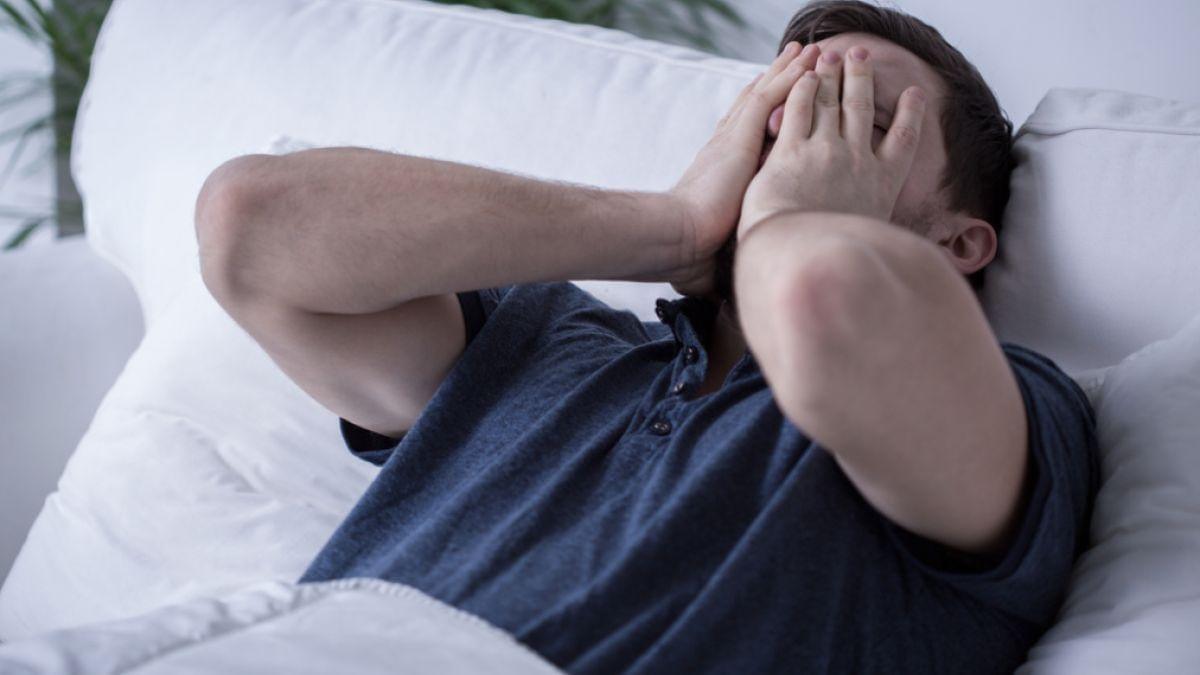
For a moment, it feels confusing. Sometimes even scary.
You might wonder:
👉 “Why did that happen?”
👉 “Is something wrong with my body?”
This experience is extremely common, and almost everyone experiences it at some point.
These sudden movements are known as sleep jerks, and they usually happen during the transition from being awake to falling asleep.
Understanding why this happens can help you stop worrying about it and improve your sleep.
What Are These Sudden Sleep Jerks?
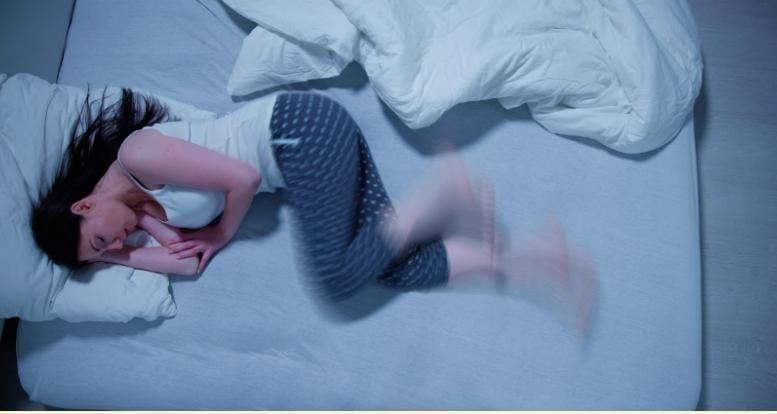
These movements are called hypnic jerks.
Occasional body jerks while falling asleep are common and often called hypnic jerks or sleep starts. These involuntary muscle contractions often occur when you are transitioning from being awake to being asleep.
They happen right when your body is shifting into sleep.
During this moment, your brain is slowly turning off wakefulness signals while activating sleep processes.
But sometimes, this transition is not perfectly smooth.
Your brain may briefly send a signal that causes your muscles to contract suddenly.
That’s what creates the jerk.
Why It Feels Like You’re Falling
Many people report feeling like they are falling just before the jerk happens.
This sensation comes from how your brain interprets body signals.
As your muscles relax, your brain may misinterpret this relaxation as losing balance.
In response, it sends a quick signal to your body to “catch” itself.
This creates:
- sudden movement
- muscle twitch
- feeling of falling
This is why the experience feels so real.
Your Brain Is Still Active During Sleep Transition
Falling asleep is not instant.
Your brain moves through a transition phase where it is partly awake and partly asleep.
During this phase:
- thoughts slow down
- muscles relax
- awareness fades
But the brain can still react to signals.
If something interrupts this process—even slightly—it can trigger a sudden reaction.
Stress Makes Sleep Jerks More Frequent
One of the biggest triggers of sleep jerks is stress.
In some individuals, the incidence of the jerking sensations appears to be increased during stressful periods and may be exacerbated by stress, fatigue, caffeine, or lack of sleep.
When your nervous system is active, your body stays slightly alert even when you try to sleep.
This makes the transition into sleep less stable.
As a result, your brain is more likely to send sudden signals that cause jerks.
People often notice more jerks during periods of stress.
- mental stress
- anxiety
- overthinking
Caffeine and Stimulation
Stimulants can also increase sleep jerks.
Caffeine keeps the nervous system active.
Even if you don’t feel awake, your body may still be stimulated internally.
This can interfere with the smooth transition into sleep.
Other stimulation includes:
- phone use before bed
- bright screens
- intense thinking
Fatigue Can Also Trigger It
Ironically, being too tired can also increase sleep jerks.
When your body is extremely exhausted, it tries to fall asleep quickly.
This rapid transition can confuse the brain.
The brain may react suddenly, causing a jerk.
Is This Dangerous?
This is the most important question.
👉 No, it is not dangerous.
Sleep jerks are a normal part of how the brain transitions into sleep.
If you experience frequent severe jerking movements, injuries that occur during sleep, loss of consciousness, or symptoms that regularly interfere with sleep, you should always discuss this with a healthcare professional.
They do not indicate a serious problem in most cases.
However, they can feel uncomfortable or surprising.
How to Reduce Sleep Jerks
If sleep jerks happen often, you can reduce them by improving your sleep habits.
Reduce Stimulation Before Bed
Avoid screens and intense activity at least 30–60 minutes before sleep.
Manage Stress
Try simple relaxation techniques:
- slow breathing
- quiet time
- light reading
Limit Caffeine
Avoid caffeine in the evening.
Maintain a Consistent Sleep Schedule
Going to bed at the same time helps your brain transition more smoothly into sleep.
Why You Shouldn’t Worry About It
The worst part of sleep jerks is not the jerk itself.
It’s the fear that something is wrong.
Once you understand that this is a normal process, your brain becomes less reactive.
That alone can reduce how often it happens.
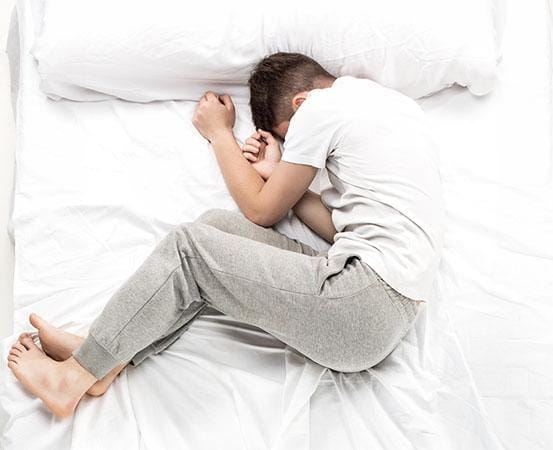
Related Nighttime Symptoms
At times, you may have body jerks while falling asleep, along with other strange nighttime symptoms of stress, anxiety, fatigue or overstimulation of the nervous system.
👉Complete Guide for Sleep Problems & Better Sleep Guide
Sleep stages explanation
https://www.sleepfoundation.org/how-sleep-works/stages-of-sleep
Muscle twitch sleep
https://my.clevelandclinic.org/health/articles/12119-sleep-inertia
FAQ
Why does my body jerk when falling asleep?
It happens due to sudden signals from the brain during the transition into sleep.
Is it anxiety?
It can be related to stress but also happens in normal conditions.
Is it dangerous?
No, it is harmless in most cases.
How do I stop it?
Reduce stress, avoid caffeine, and improve sleep habits.
CONCLUSION
Sleep jerks can feel strange, but they are a natural part of how your body falls asleep.
Understanding them removes fear, and reducing stimulation can help your body transition more smoothly into rest.