Why You Feel an Urge to Move Your Body at Night

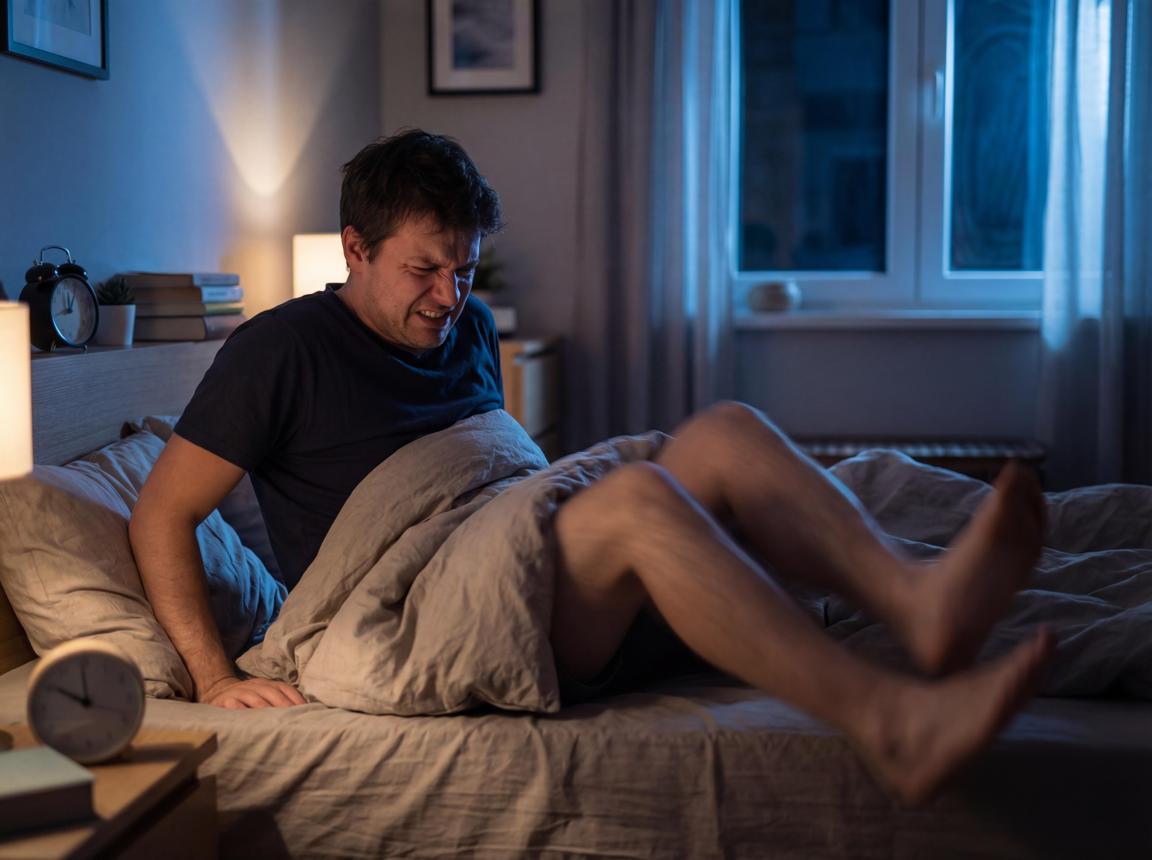
You might suddenly feel like moving your body at night. It may feel strange, uncomfortable, or even frustrating when you’re trying to relax or fall asleep. Some people have restless legs, sudden body discomfort, nervous energy, or a feeling that they need to move before they can sleep.
In many cases this is often associated with stress, anxiety, stimulation of the nervous system, poor-quality sleep, restless sleep patterns, or tension in the body at night. Understanding why this happens can help to ease fear and make the night more comfortable.
Common Causes of Nighttime Restlessness
Sometimes you need to move your body at night for various reasons. For some, stress and anxiety make the nervous system continue to run while the body is trying to rest. Others may feel muscle tension, overstimulation, poor sleep habits, or discomfort, which is more obvious at night.
When the environment becomes quiet and distractions fade away, physical sensations can also feel stronger and harder to ignore.
Anxiety and Nervous System Overstimulation
Anxiety can make the nervous system stay alert long after the day is over. Even when trying to rest, the body may still feel tense, restless, overstimulated, or unable to fully relax.
Some people feel an unstoppable urge to move, stretch, change position, or release nervous energy before they can feel comfortable enough to sleep. Racing thoughts, stress hormones, physical tension—it could be any of these.
Restless Sleep and Physical Tension
The physical tension that has been accumulating throughout the day may seem even more apparent at night when the body finally slows down. Sometimes tight muscles, bad posture, lack of movement, or discomfort with sleeping can cause you to want to move again and again before you can fall asleep.
People who experience restless sleep patterns may also become more aware of body sensations while lying quietly in bed.
Poor Sleep Habits and Evening Overstimulation
Some of these habits at night may overstimulate the body and make the restlessness worse before sleep: Too much screen time, caffeine in the late afternoon or evening, irregular sleep schedules, stress, and stimulating activities in the evening can all impact how relaxed the body feels before bed.
When the brain and nervous system remain highly active, the body may struggle to settle into a calm sleep state.
When Nighttime Restlessness May Need Medical Attention
Occasional restlessness during the night is normal, particularly at times of stress or following a bad night’s sleep. However, always consult a healthcare professional if you have severe symptoms, pain, numbness, breathing problems, chest discomfort, or chronic sleep disruption.
Persistent symptoms that regularly interfere with sleep quality may sometimes require medical evaluation.
Ways to Calm the Body Before Sleep
Simple nighttime habits may help reduce body restlessness and improve sleep comfort:
- Reduce screen time before bed
- Avoid too much caffeine late in the day
- Stretch gently before sleep
- Keep a consistent sleep schedule
- Practice slow breathing or relaxation exercises
- Create a calm nighttime environment
- Avoid overstimulating activities late at night
Related Nighttime Symptoms
Sometimes this restlessness during sleep may occur at night with other abnormal sleep symptoms related to anxiety, stress, nervous system activity, or poor sleep quality.
Frequently Asked Questions
FAQ • Why do I feel restless before sleep?
Stress, anxiety, nervous system overstimulation, poor sleep quality, or physical tension may all contribute to nighttime restlessness before sleep.
Can anxiety cause body restlessness at night?
Yes. Anxiety can increase nervous system activity and make the body feel tense, restless, overstimulated, or uncomfortable when trying to relax at night.
Why does my body feel uncomfortable when lying still?
Some people become more aware of body tension, stress, discomfort, or nervous system sensations when lying quietly before sleep.
Is it normal to feel an urge to move at night?
Occasional nighttime restlessness is common, especially during stressful periods or after poor sleep. Persistent or severe symptoms should be evaluated by a healthcare professional.
Can stress affect nighttime body sensations?
Yes. Stress may increase muscle tension, nervous system activation, and physical restlessness that becomes more noticeable at night.
What Does It Mean When You Feel Like You Need to Move Your Body at Night?
When you feel a sudden urge to move your body at night, your body is reacting to internal discomfort signals.
Sleep requires three things to drop together:
- body tension
- nervous system activity
- mental activity
If even one stays active, your system doesn’t fully relax.
That creates a signal:
👉 “Move to feel better.”
Movement temporarily reduces the sensation.
But it doesn’t solve the cause.
Why You Feel a Sudden Urge to Move Your Body at Night

Why you feel a sudden urge to move your body at night is mainly about your nervous system staying active.
Your brain and body don’t always slow down at the same time.
Your body may be tired.
But your nervous system may still be slightly alert.
That mismatch creates the following:
- restlessness
- discomfort
- movement urges
According to sleep research, partial activation of the nervous system during sleep transitions can create restlessness and physical sensations, especially in quiet nighttime environments. You can read more about how sleep works on the Sleep Foundation website.
Common Causes of Why You Feel a Sudden Urge to Move Your Body at Night
This usually builds from daily patterns:
- Stress that didn’t settle during the day
- Overthinking before sleep
- Sitting too long (low movement lifestyle)
- Muscle tension buildup
- Caffeine intake
- Screen exposure before bed
- Irregular sleep timing
Have you noticed it’s worse on days when you feel mentally drained but physically inactive?
That’s a key trigger.
How to Fix Why You Feel a Sudden Urge to Move Your Body at Night
1. Stop Forcing Stillness
Trying to force your body to stay still increases tension.
Instead:
👉 allow small movements, then gradually settle
2. Release Physical Tension Before Bed

Do this before bed:
- stretch your legs
- loosen your shoulders
- relax your neck
This removes stored tension that causes restlessness.
3. Calm Your Nervous System First
Your body follows your nervous system.
Slow it down with:
- slow breathing
- longer exhales
- relaxed posture
If your mind stays active, your body will stay restless too.
4. Reduce Night Stimulation
Before sleep:
- stop phone use
- dim lights
- avoid heavy thinking
Your brain needs a clear “slow down” signal.
5. Move Your Body During the Day
Lack of movement = stored energy.
That energy shows up at night as restlessness.
Even light walking helps.
6. Break the Reaction Loop
When the urge appears:
- don’t panic
- don’t analyze
- don’t fight it
7. Build a Consistent Sleep Pattern
Your body depends on rhythm.
Same sleep time = better regulation.
Mistakes That Make It Worse
Avoid these:
- constantly changing positions
- checking your body repeatedly
- overthinking the sensation
- forcing sleep
Each one increases alertness.
When to Be Concerned
Most cases of why you feel a sudden urge to move your body at night are harmless.
But check with a doctor if:
- it happens every night intensely
- there is pain or discomfort
- it affects your daily functioning
Otherwise, it’s a normal nervous system response.
Bottom Line
The urge to move your body at night is generally associated with stress, nervous system activity, restlessness, poor sleep quality, or overstimulation at night. Occasional symptoms are normal, but persistent discomfort or severe symptoms should always be discussed with a medical professional.
Improving nighttime routines, lowering stress, and learning how the body reacts to anxiety and sleep disruption can often lead to better nighttime comfort and sleep quality over time.