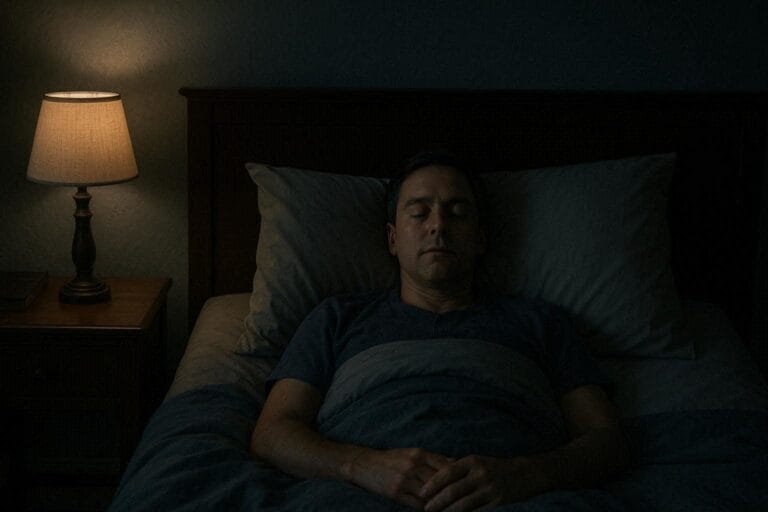

Tired All Day After Sleeping? 7 Real Reasons Your Sleep Isn’t Recharging You
Tired all day after sleeping is one of the most frustrating experiences because it breaks the basic promise of sleep. Falling into bed feels like relief. Staying under covers through the night seems normal. Opening your eyes brings no spark – just heaviness, a slow mind, no drive.
This isn’t laziness.
What holds people back isn’t missing self-control.
True rest isn’t measured just by hours.
Falling asleep doesn’t always fix exhaustion – sometimes rest misses its mark, leaving you drained despite hours spent lying still. Recovery can stall without warning, even when nights seem peaceful at first glance.

Why Getting Plenty of Sleep Still Leaves You Tired
Resting a long time does not always mean healing happens. How well you recharge matters more than hours spent in bed.
Even with seven to nine hours of rest, something might be missing
- Deep sleep consistency
- Proper REM timing
- Nervous system downregulation
Most days feel heavier when rest falls short – each moment carries the weight of what sleep missed.
7 Real Reasons You’re Tired All Day After Sleeping
- Falling asleep did not mean rest followed One night felt deep, another left you floating near the surface. Your body never settled into a steady rhythm. Some mornings came with energy, others dragged like wet cloth. Changes in sleep quality happened without warning. Each cycle played out differently than the last. Consistency went missing, even when hours stayed the same
Brief interruptions during sleep disrupt healing – yet never pull you into full alertness. - Always on, your nervous system keeps working without pause
Even when you’re trying to rest, a busy mind keeps things tense. Thoughts race, worries hum – sleep never quite settles in. The brain stays half-awake, watching, waiting. Nights stretch longer under that quiet alertness. - Sleep timing is slightly misaligned
Something tiny might quietly steal the deep refresh sleep should bring. - You spent too much time in bed
Lying around too long at night might ease the urge to really sleep, making rest feel lighter than it should. Instead of deeper cycles, you could just drift without sinking into proper rest. - When night dreams faded fast, brain waves shifted oddly instead of flowing smoothly into deep rest cycles
When REM happens affects how energized your mind feels. The moment it kicks in shapes mood and alertness too. - You’re waking during light sleep
Out of sync with deep rest phases, rising too soon leaves you drained. - Focused on quick answers, when peace would matter more
Waking often keeps rest from taking hold.
Why Caffeine Doesn’t Fix This
Coffee won’t refill your tank. It just delays the crash by tricking your brain into feeling awake. Your body still tires, even if your mind pretends otherwise.
This happens because :
- Energy drops after a while
- Following a poor night, rest tends to worsen the evening after
- Fatigue becomes chronic
A cycle forms, leaving energy needs constantly unmet by rest.
What Actually Restores Daytime Energy
Energy comes back once rest feels regular, full – not fine-tuned. When nights settle into rhythm, mornings follow naturally.
What helps most:
- Fixed wake-up time
- Reduced evening stimulation
- Fewer sleep experiments
- Morning light exposure
- Some nights pass slowly. Rest settles deeper when given time beyond a single night. Days unfold differently once rhythm returns. Patience shapes recovery more than urgency ever could When sleep runs its full course, strength returns. Energy comes back if rest is not cut short.
A complete night restores what was lost during the day. Only after deep cycles does the body truly recharge. Finishing every stage brings back balance slowly.
Daytime energy depends heavily on how sleep cycles progress through the night, and disruptions in recovery can leave people feeling exhausted despite enough hours in bed, as explained by the Sleep Foundation.

When it’s more than just sleep problems
This piece won’t matter when:
- Fatigue is rapidly worsening
- You fall asleep unintentionally during the day
- Besides these, some bodily signs show up too
When that happens, seeing a doctor makes sense.
Conclusion
Waking up worn out despite hours in bed? That is not about trying too little. It stems from how well the body resets. Rest pays off only if moments add up right. True recharge needs rhythm, deep rest cycles, plus calm within the nerves.
Fatigue begins to ease once you see what’s blocking rest – not by piling on extra hours in bed or reaching for energy boosts. What matters is spotting the real cause.