Sleepy During the Day Despite Sleeping? Why Night Sleep Isn’t Doing Its Job
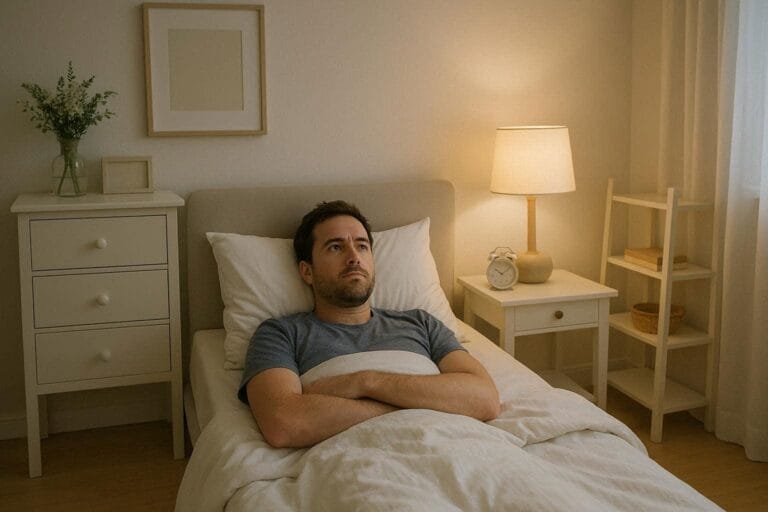
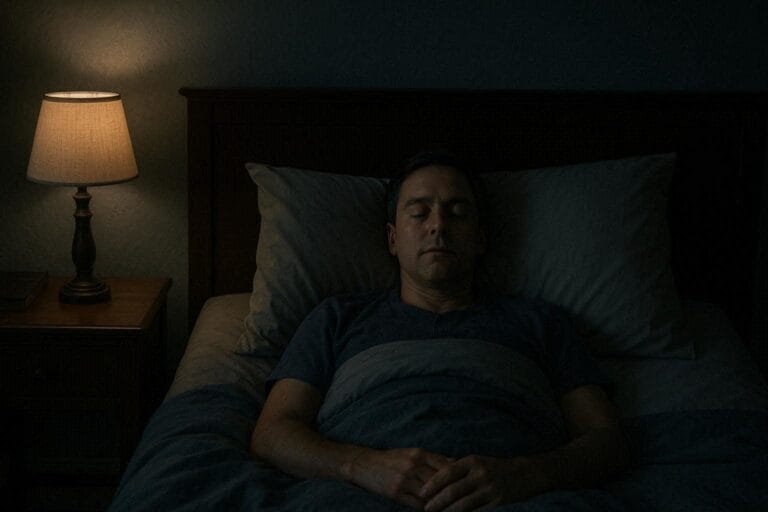
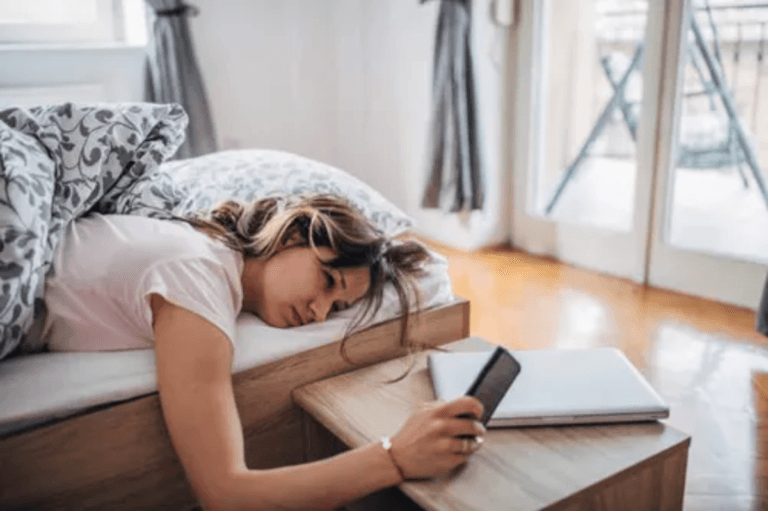
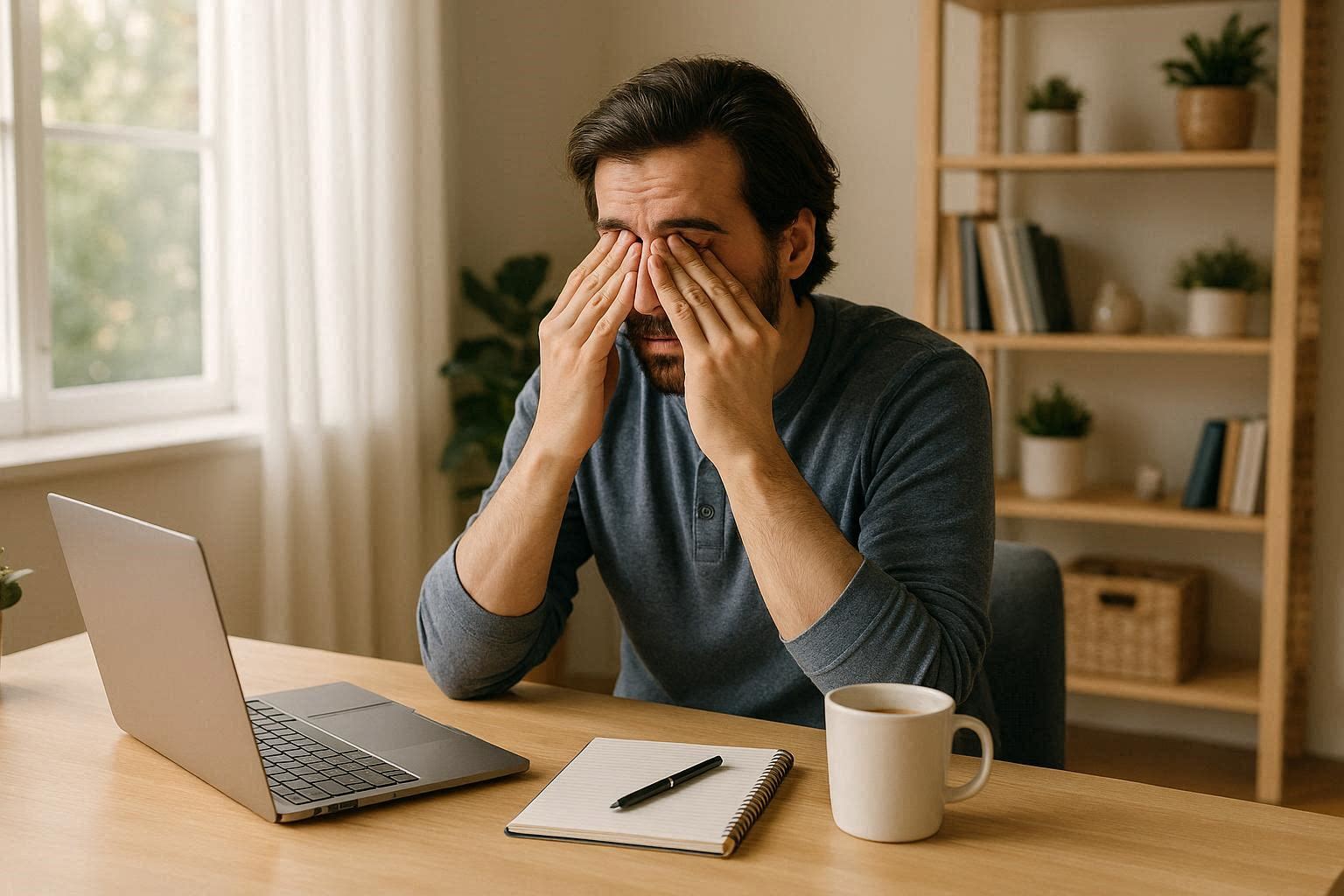
Sleepy during the day despite sleeping enough at night is one of the most frustrating sleep problems. Morning hits, yet your eyelids drag like weights. Sleep came without delay, lasted through the night – still, clarity refuses to show. Attention frays by midday. Rest feels necessary, even after full hours in bed.
This isn’t about sleeplessness. Missing hours is not the issue. Staring at the ceiling does not happen every night. Still, power stays absent exactly when required.
Most times when drowsiness hits midday even after rest, the real problem isn’t hours spent asleep – it’s whether those hours brought true healing. What matters is not duration but depth of renewal. Sleep that fails to restore leaves fatigue untouched. The body needs repair, not just downtime.
Without full restoration, tiredness lingers regardless of bedtime. Real recovery happens only if sleep cycles run their course. Missing key stages means waking unrested. It’s completion of the process that counts.

Why Enough Sleep Still Leaves You Tired
Just because you sleep a long time does not mean your rest is good. How well you rest matters more than how many hours pass.
You can get enough hours and still miss:
- Consistent deep sleep
- Proper REM timing
- Stable nervous system recovery
Fragments of sleep leave work undone inside you. Though hours pass, awareness stays dim, like a screen that never fully brightens. Waking happens, yet sharpness doesn’t follow. The clock says rest is done – the mind knows it isn’t.
This is what leads folks to claim their rest felt pointless, even after hours in bed
Why Common Daytime Fixes Don’t Work
More caffeine
Sleep feels less urgent when caffeine kicks in – yet rest stays undone. Later comes a heavier dip, energy nosedives further, nighttime suffers more.
Power naps
Once in a while, a quick nap might do some good. Yet doing it often chips away at how tired you feel later, slowly weakening nighttime rest.
Going to bed earlier
When sleep duration is sufficient, going to bed sooner usually adds hours in bed but doesn’t boost rest. Still, more time under covers won’t fix what’s already balanced.
Fixes like these handle what shows up, never touching why it started.
The Overlooked Reasons Daytime Sleepiness Persists
Your nervous system never fully reset
Mornings begin before the mind even wakes. Heavy thoughts pile up when there is no quiet. Screens glow long after they should fade. Nervous systems hum like wires left live. Rest never quite lands where it is needed.
Sleep timing is slightly misaligned
Waking up too soon might happen if the clock ticks just a bit off track.
Daytime alertness depends on how well sleep aligns with your internal clock, known as the circadian rhythm, which regulates when the brain expects sleep and wakefulness across a 24-hour cycle.
Why Sleep Can Look “Good” but Feel Useless
Most sleep gadgets list these details
- Normal duration
- Few awakenings
- Decent scores
Yet what slips through is this
- Micro-arousals
- Nervous system tension
- Incomplete recovery
Something can seem fine on paper while everything inside feels off. That gap makes folks hunt for better numbers instead of peace. They keep moving without getting anywhere.
What Really Boosts Your Energy During the Day
This is not some quick trick. Completing how you rest matters most.
- Fix wake time before adjusting bedtime
- Quiet things down at night, though they might seem calm already
- Avoid daily sleep analysis
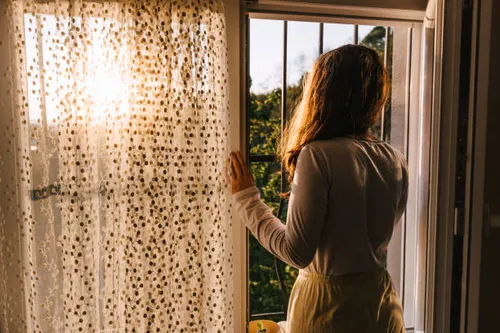
- Protect morning light exposure
Mornings feel lighter once rest settles into a steady rhythm, free from demands. Nights that flow naturally lead to sharper afternoons.
When This Is NOT a Sleep Pattern Issue
This isn’t about sleep patterns when that’s not really the problem. Skip this piece if what you’re facing falls outside these points
- Heavy drowsiness takes hold, growing stronger over time
- You fall asleep unintentionally during the day
- You have breathing issues at night
When it comes to health, a doctor’s look often counts more than trying things on your own