Ashwagandha for Sleep: Why It Helps Some People and Worsens Sleep for Others
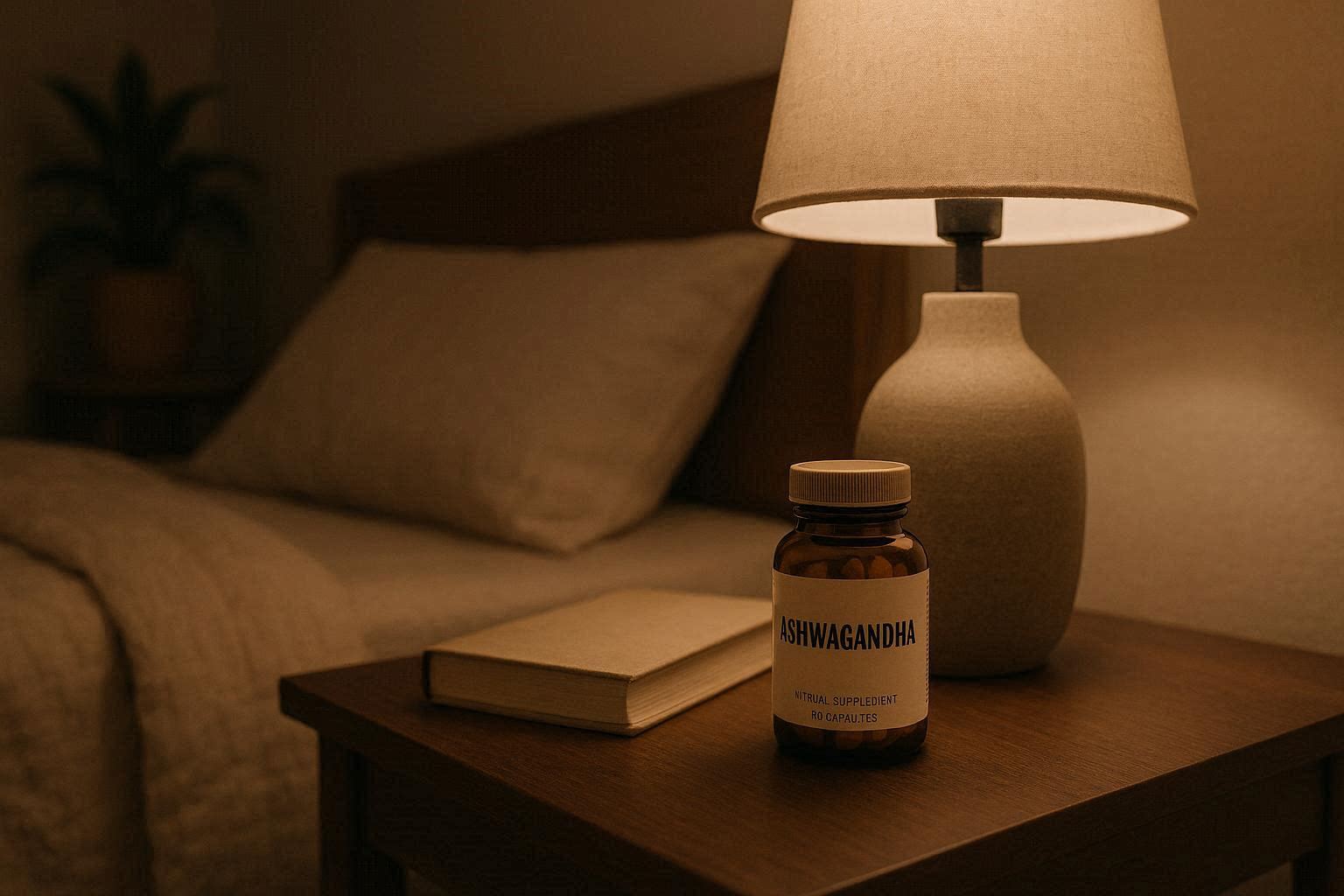
Many people struggling with stress, night anxiety, or poor sleep quality are looking for natural ways to help the body to relax before bedtime. Ashwagandha is one of the most popular herbal supplements and is often talked about for stress support and sleep improvement.
Some people use ashwagandha as part of a calming nighttime routine, especially during stressful periods when relaxation feels difficult before sleep.
Why Ashwagandha for Sleep Works for Some People
When stress plays a big role, ashwagandha could help with rest. Sometimes the body just needs balance—this might be one way.
Research on ashwagandha and sleep is still new, and results may vary from person to person.
It tends to help people who:
- Your body hums like a live wire while your mind drags through mud after dark
- Carry physical stress into bedtime
- Have elevated evening cortisol
- Struggle with stress-driven insomnia
When things settle, less pressure on the nerves helps them ease into rest.
Folks like this don’t get flattened by ashwagandha—it just quietly lifts a single roadblock standing between them and rest. In these cases, ashwagandha for sleep works because stress physiology is the main barrier, not sleep timing.
Why Ashwagandha for Sleep Makes Things Worse for Others
Here’s what others leave out—yet trust truly starts.
Few realize restlessness might worsen if tension isn’t the true cause. Sleep stirs again, unsettled by herbs meant for strain.
People might regret it when they:
- Falling asleep without trouble comes naturally now
- Have light or fragmented sleep
- Wake too early
- React strongly when touched or triggered
For some, ashwagandha brings a quiet wakefulness rather than calm. This sense of clear-headed lift, often called “clean energy,” works against the ease sleep requires. When stress is not the problem, ashwagandha for sleep can quietly increase alertness instead of improving rest.
The Cortisol Myth Most People Miss
Less cortisol can sometimes cause more problems than it solves.
Come morning, cortisol climbs on its own before dipping again by evening. If levels are steady, holding them back might cause shifts you did not expect
- Flatten sleep rhythms
- Reduce sleep depth
- Increase nighttime awakenings
Failing every now and then—that’s what general tips about stress supplements tend to do.
According to sleep research summarized by the Sleep Foundation, sleep quality depends on balanced regulation—not simply lowering stress hormones across the board.
Signs Ashwagandha Is Helping Your Sleep
Benefit tends to show up when:
- Calm settles in, yet there’s no heaviness. Stillness arrives without drowsiness dragging behind. Rest comes light, like a pause that breathes on its own
- Falling asleep happens when thoughts slow down on their own. A quiet mind comes naturally after a while. Rest takes over before you even notice. Tired eyes close by themselves eventually
- Daytime energy feels stable
A shift might show up quietly, day after day. Progress moves at its own pace, without fanfare.
Signs Ashwagandha Is Hurting Your Sleep
Think again before continuing if:
- Sleep feels lighter or restless
- Waking happens frequently now
- Dreams become intense or disruptive
- You feel oddly alert at night
What looks like improvement might just be going too far the other way.
Timing and Dosage Matter More Than Brand
Timing matters when using ashwagandha:
- Taking it too late in the evening
- Faster effects come right away when large amounts are taken at once
- Combining it with other calming supplements
When it comes to rest, shorter stretches tend to work well—starting sooner usually helps too.
What to Do If Ashwagandha Didn’t Help
When ashwagandha fails to help you rest… that happens:
- Stop experimenting immediately
- Don’t stack supplements
- Focus on stabilizing sleep timing
- Fix how you sleep first, then think about tools
A solid routine comes first; supplements fit after. Not the other way around.
When Ashwagandha Is Not Appropriate
Avoid or pause ashwagandha if:
- Most nights, your rest feels more like drifting than deep slumber
- You wake too soon—that’s what’s really bothering you
- You’re sensitive to stimulation
- Falling asleep became harder once they began using it
A wrong fit stays broken, even with extra pills.
Frequently Asked Questions
Can ashwagandha help with sleep?
Some people use ashwagandha to support relaxation and reduce stress before sleep. Research is still developing, and results may vary from person to person.
Can stress affect sleep quality at night?
Yes. Stress and anxiety may increase nervous system activity and make it harder for the body to fully relax before sleep.
How long does ashwagandha take to affect sleep?
Some people notice changes within days or weeks, while others may not experience noticeable effects. Sleep quality can also depend on stress levels, routines, and overall health.
Is ashwagandha safe for everyone?
Ashwagandha may not be suitable for everyone, especially people with medical conditions, those taking medications, or pregnant individuals. A healthcare professional should always be consulted before regular supplement use.
Can nighttime anxiety make sleep harder?
Yes. Many people notice anxiety feels stronger at night when distractions disappear and the body is trying to relax quietly before sleep.
Related Sleep and Anxiety Articles
Stress, anxiety, nervous system overstimulation, and poor nighttime relaxation habits can all impact sleep quality and nighttime comfort.
Important Safety Note
Ashwagandha may not be for everyone. People with medical conditions, people taking medications, pregnant people, and anyone suffering from chronic sleep problems should talk with a healthcare professional before taking supplements on a regular basis.
Conclusion
Ashwagandha’s effects on sleep are context-dependent. One man’s meat is another man’s poison. Sometimes it works, sometimes it doesn’t.” It depends on the person, how they answer. Body chemistry comes into play. Timing matters, too. Results not guaranteed. Effect is shaped by experience.
This may be useful if stress prevents sleep. If sleep problems stem from somewhere else, it can make things worse without you knowing. It’s rarely the bottle on the shelf’s fault. Think one fix will work for the rest of everyone? That belief is the real issue.
Most people don’t realize this, but knowing how sleep really works is better than taking shots in the dark for solutions. It’s not about stacking tricks now, but clarity that matters. The real change? Random tries to stop. Trial and error is replaced by insight. That changes everything, in a quiet way.
Ashwagandha for sleep is neither good nor bad by default—it’s conditional.
Sources & References
NIH Office of Dietary Supplements – Ashwagandha Fact Sheet