

Why Sleep Gets Worse After You Start Fixing It (And What That Means)
Sleep gets worse after fixing it more often than people expect. Tweak your habits, start hitting the sheets sooner, cut back on coffee, make the room cozier – yet rest seems thinner, patchier, somehow less deep than it used to be.
Frustration sinks in when progress moves opposite to effort. Doing what was suggested should help. Following every tip, step by step. Still, nights worsen rather than settle. What made sense before now brings confusion.
Worse sleep after changes? Likely not damage. Just a lag in bodily adjustment.
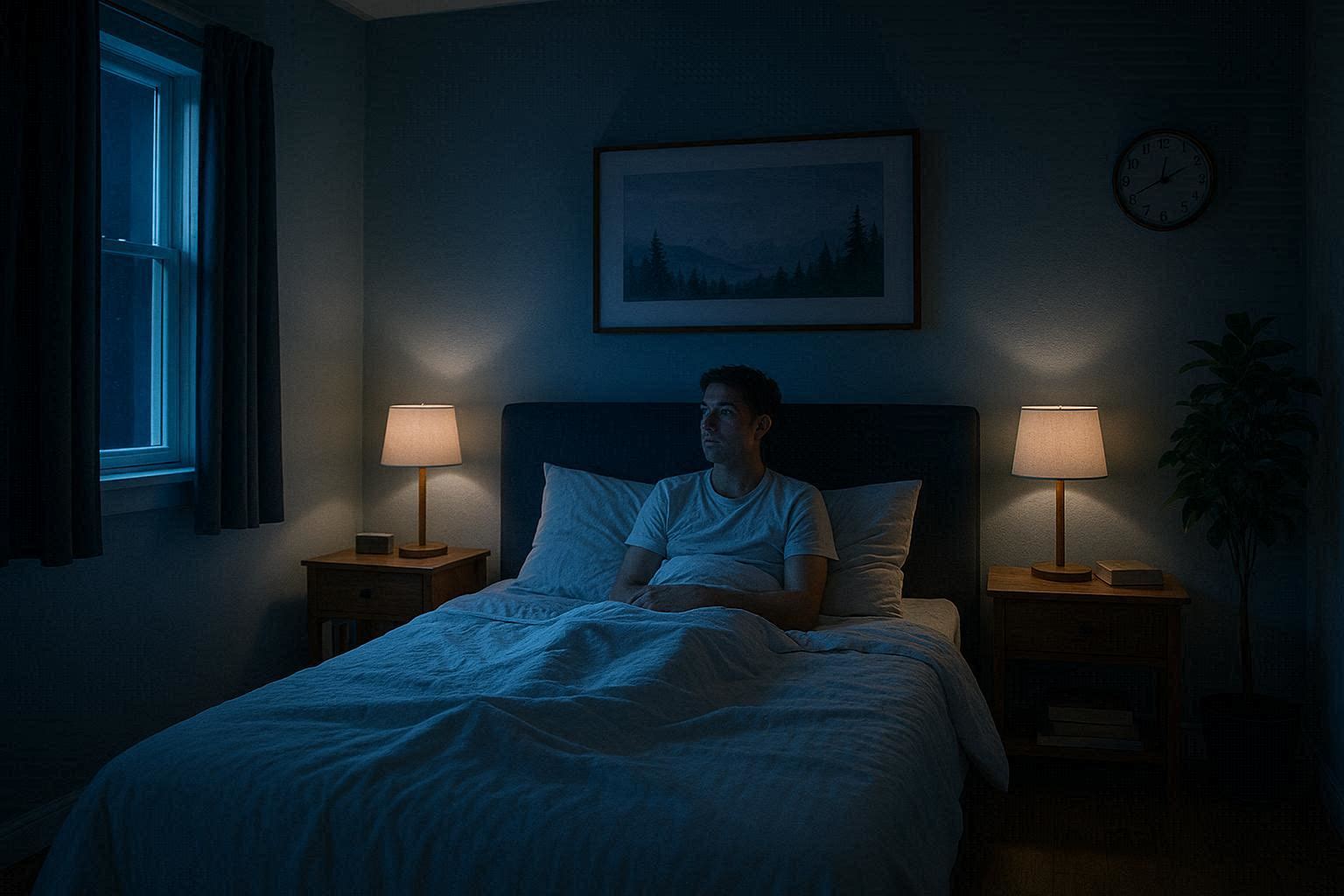
Why Improving Sleep Can Backfire at First
Rest does not start like a light turning on. Instead, it unfolds through moments, built by need plus a sense of calm within the body.
Shifting your daily rhythm fast – like hitting the sheets sooner or sticking to tighter schedules – usually revs up awareness instead of winding you down. The mind tunes in once sleep becomes a focus, yet that very tuning can hold wakefulness at arm’s length.
This happens most often when:
- Sleep shifts quicker than rising does
- Rest turns into something that needs organizing
- Improvement? That is what you are waiting for right away
Falling asleep takes space to reset, never demands to rush.

Why This Isn’t a Sign You’re Doing It Wrong
Some see poor rest as falling short, then pile on solutions. This often makes things harder instead.
This is going on right now:
- Your awareness of sleep increases
- Small awakenings become more noticeable
- Floating just under wakefulness, light sleep shows itself clearly
Just because sleep feels worse does not mean it is. Awareness often shifts before anything else changes.
Funny how rest can seem broken just when it’s starting to fix itself.
The Hidden Mechanisms Behind This Pattern
Sleep pressure shifts
Early bedtime, when morning rise time stays fixed, means less built-up need for sleep. That often brings shallower rest, broken by frequent awakenings.
Nervous system vigilance
Something different each day wakes up quiet parts of your mind, though outwardly everything seems still.
Over-optimization
Nowhere else does the mind stay alert like when chasing clocks, counting seconds, using aids, following limits – it should rest but stays wired.
Timing misalignment
Morning light sets the pace deep inside. Shift routines fast, yet cells take their time catching up.
Sleep quality depends heavily on internal timing, known as the circadian rhythm, which regulates when the brain expects sleep and wakefulness across the night.
Source: Sleep Foundation
Why Common “Fixes” Make It Worse
Earlier bedtimes
Spending more hours drifting happens a lot, rather than truly repairing the body.
Adding supplements immediately
Right away, tossing in supplements can shift your experience of rest – but they won’t solve the root issue of adjusting. Sleep might seem different, yet the real cause stays untouched.
Constant evaluation
Noticing each night’s rest – its length, quality, or ease – keeps the mind tuned in. When awareness stays close to these details, alertness lingers just beneath the surface.
Falling asleep when you’re supposed to rest has its own rhythm. Not one that follows a report card or fits into boxes neatly marked pass or fail.
What Actually Helps When Sleep Gets Worse
Stability matters most. Progress takes a back seat.
- Mornings work better when you rise at the same hour each day
- Less work comes from removing clutter, because piling on more gadgets just weighs you down. What seems helpful today often becomes tomorrow’s noise
- Every night, checking the outcomes just ends now
- Wait until habits stick. Then make changes
Safety lets sleep come easier, even when no one is watching. When the mind trusts the quiet, rest follows on its own.

When This Is NOT the Right Explanation
This article does not apply if:
- Sleep continues worsening for weeks without stabilization
- You experience new physical symptoms at night
- Daytime sleepiness becomes extreme
In those cases, professional evaluation matters.