Sleep Feels Light All Night? Why It Happens (And Why Deep Sleep Fixes Fail)
Sleep feels light all night even though you’re not fully awake, not anxious, and not tossing and turning — yet you still wake up feeling unrested. Your feet leave the floor when you lie down. Hours pass like slow waves. Waking never really sticks around – still, the dark doesn’t feel heavy. Not alert, not under. Barely drifting.
Sunrise hits, yet exhaustion drags like something unseen pulled energy overnight. Sleep happened, technically, still no recharge arrived. Thoughts move slow, thick, unclear. What stumps most? No stress spiked, mind didn’t race, bed wasn’t broken by wakefulness.
Floating through the night without sinking into deep rest – this rarely matches what doctors call insomnia. So following standard tips tends to miss the mark entirely.
What “Light Sleep All Night” Actually Means

Spending the whole night in light sleep does not equal hardly any rest. Instead, it shows your body keeps cycling without dropping deep.
Your body doesn’t glide through light sleep, deep stages, or REM without interruption. Rather, the nervous system tugs at awareness repeatedly. Most disruptions are tiny awakenings – fleeting changes in brain waves. They rarely pull you all the way up from slumber. Still, they block the chance for true recovery.
It’ll slip your mind. Most devices barely show it. Yet your body knows what changed.
This setup often shows up with:
A nervous system stuck in “monitoring mode”
Built-up tiredness that just won’t quite empty out
According to the Sleep Foundation, uninterrupted progression through sleep stages matters more than total hours — and fragmented cycles quietly sabotage that process.
Why Common Deep Sleep Advice Backfires Here
Here’s when mistakes tend to grow bigger.
Going to bed earlier
Waking up tired can get worse when you try to sleep sooner. Lying around with eyes shut makes rest feel further away. Your muscles learn tension instead of calm. Staring at the ceiling teaches patience poorly.
Some folks feel more tuned in to light sleep when using magnesium or melatonin. Herbs might not quiet things either if the nervous system is still switched on.
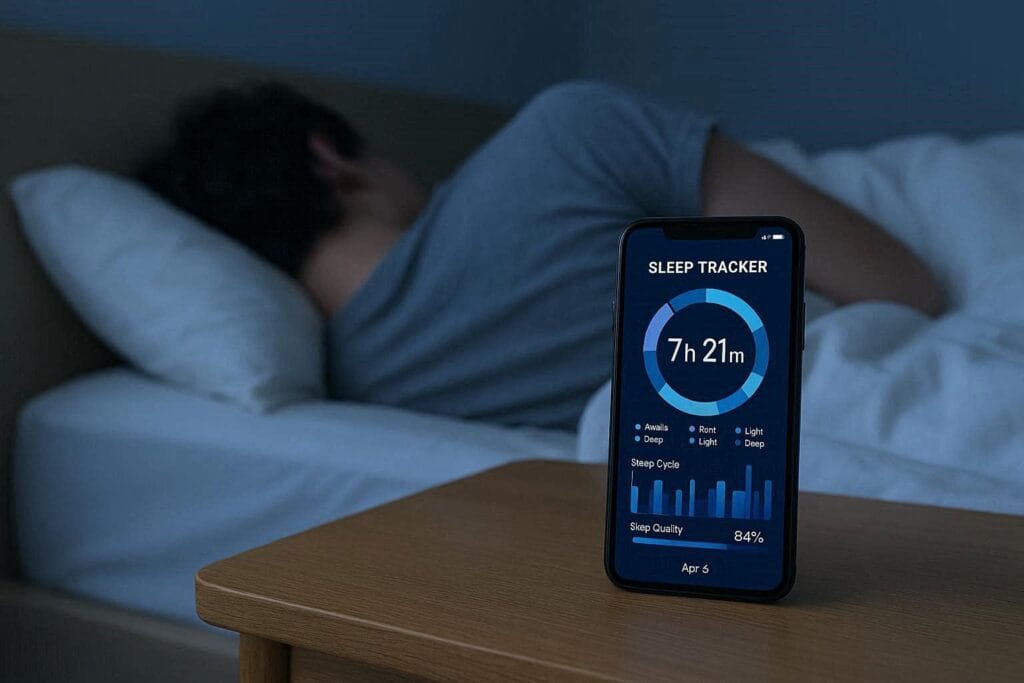
Falling asleep becomes harder when numbers demand attention. Instead of drifting off, thoughts linger on scores, nudging worry right where calm should grow.
What feels like shallow rest usually starts with poor control. Not lack of deep stages.
The Real Causes People Miss
Subconscious alertness (without anxiety)
Fresh ideas aren’t required to stay sharp. When the mind carries leftover tasks, a full schedule, or endless noise, it hums along quietly – still active beneath stillness.
Lifestyle improvements that overstimulate
Oddly enough, better habits can lead to shallower rest at first. Eating well, moving more, sticking to schedules – these push the system into higher alertness before it settles in. The body needs time to catch up.
Meals too close to bedtime, staring at screens late, routines that shift every night – these whisper chaos. Sleep stays light because of it. The mind hesitates when signals conflict.
Trying to force sleep depth
Pushing hard to fall into deep sleep means watching yourself too closely. This kind of attention makes rest stay shallow. Only when you stop measuring does it grow heavier.
What Actually Helps (Starting Tonight)

This shift doesn’t focus on piling things higher. Instead, it clears space by lifting weight off your shoulders.
Banish those nighttime hours when sleep won’t come. Ditch the clock-driven routine if drowsiness skips you. Skip fixed schedules that ignore your body’s signals. Drop expectations that demand rest before you’re ready. Let go of timing rules built for others
Wait to take sleep aids till your rest patterns settle on their own
Stop: checking sleep data or “rating” your night
Some evenings stay airy, almost like they’re floating. These moments slip through without needing a reason. A quiet hush replaces urgency. Nothing demands correction here. Relief shows up sideways, not head-on. Breezy dark hours pass – untouched
Oddly enough, rest grows stronger once you stop forcing it.
When This Is Not Your Problem
Might not matter that you slept lightly all through the night if:
Breathing returns in sharp bursts. A tightness grips your ribs. Your throat closes up like something’s stuck
Pain or breathing issues interrupt sleep
Daytime sleepiness is extreme or worsening
When things go off track, drop the trial and error, seek a doctor instead. Some issues aren’t about habits – insisting they are only pushes actual help further away.
What to Read Next
Sleep Health Guide (for the full framework)