
Waking Up Every Night at the Same Time? The Hidden Pattern Most People Miss
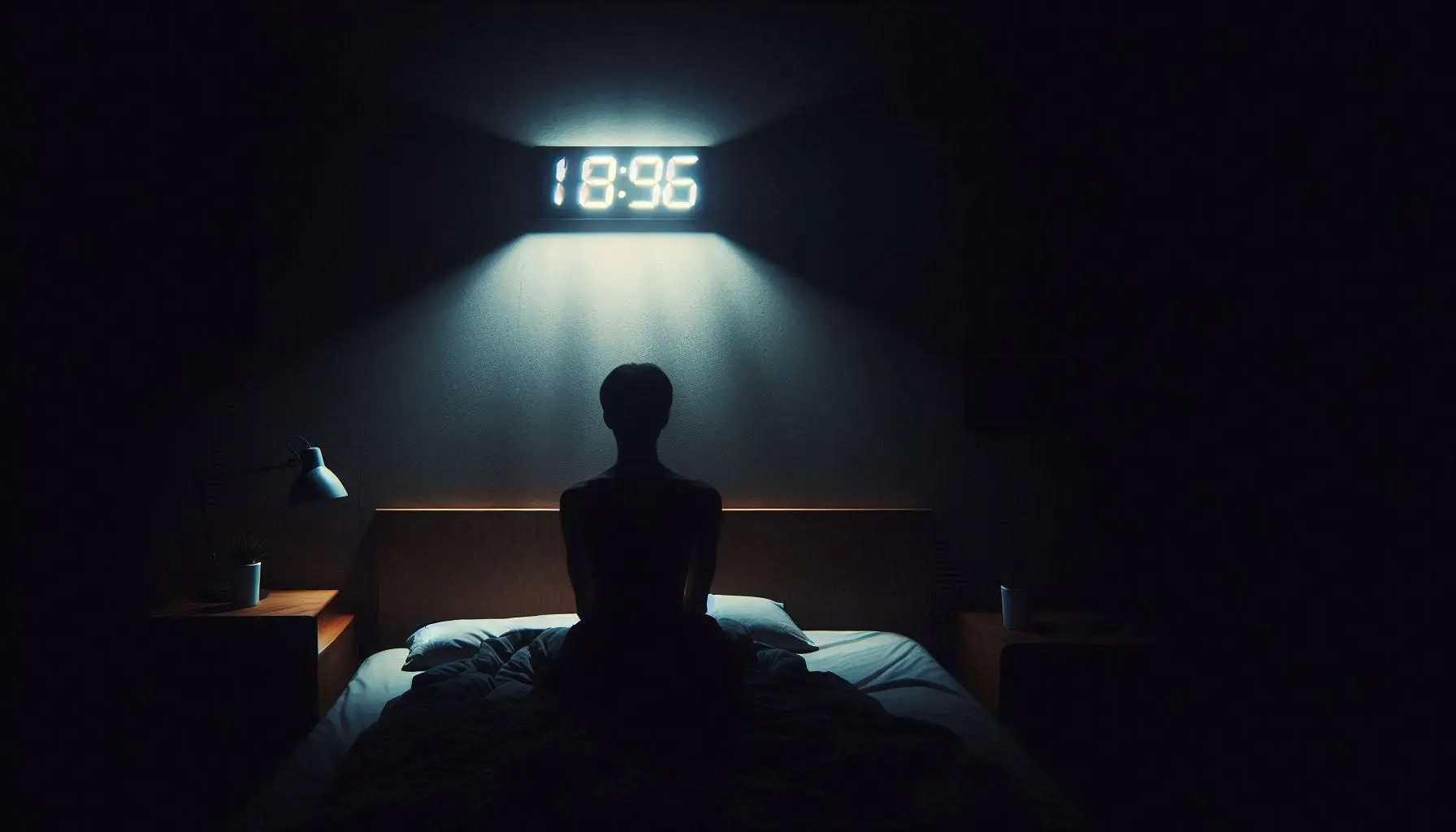
Waking up every night at the same time can feel unsettling. It hits you when you check the time – somehow, it’s that number again. Every single time. Not by chance. Not once in a while. Just there, like clockwork. Even if your mind feels quiet, even if sleep comes fast, something pulls you back to consciousness right then. Night after night. That slot never changes.
Waking up at the same time every night feels strange. Not due to racing thoughts or stress. More like an invisible nudge resets your rest. It acts unlike regular sleeplessness. No tossing around. No anxiety filling the dark. Just a quiet interruption, repeating itself without warning.
Waking often at the same hour each night? Chances are, it’s less about pressure and more about rhythm. Timing rules here, not tension.

Why the Same Wake-Up Time Keeps Repeating
Sleep shifts and changes through the night. Inside your body, clocks run things based on cues tied to time.
Waking up at the same hour every night might not mean stress or sound is to blame. The Sleep Foundation points out that your body runs on an internal clock. This rhythm decides how deeply you sleep, when chemicals in your system change, also when your mind grows sharper. If that cycle gets thrown off, it could explain why you open your eyes suddenly, around the same moment, again and again.
Off-kilter timing nudges the mind up, just for a moment, during sleep’s quiet hours. That small shift brings brief awareness where darkness ruled before.
This happens because sleep follows an internal timing system known as the circadian rhythm, which controls when sleep becomes lighter during the night and can trigger awakenings at the same hour repeatedly if it’s slightly misaligned.
Why This Isn’t Always Anxiety or Stress
Waking up many times during the night? It doesn’t always point to a mental issue. More often than people think, it’s just how sleep works.
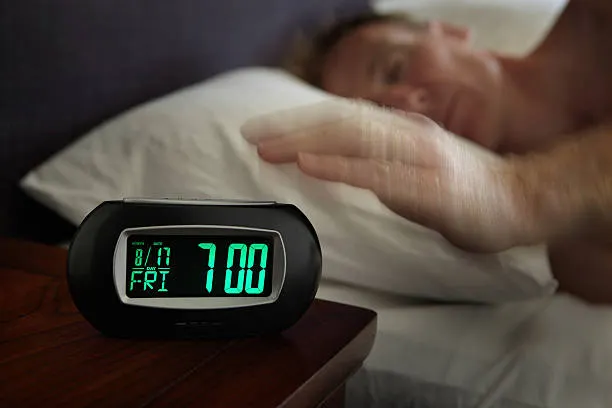
Midnight might find you blinking awake, regardless of routine. Even when life feels steady, your body could choose 3 a.m. Suddenly, eyes open – same dark, same quiet. It happens despite consistent bedtime habits. Maybe clocks repeat patterns you never set. Sleep drifts away like something scheduled behind your back. Each night, the hour arrives whether planned or not
- Falling happens slow tonight. Sleep takes you without effort. Quiet wraps around like a blanket
- You don’t feel anxious during the day
- Your mind feels quiet at bedtime
Waking up this way comes from movement, not feelings. When handled as if it were stress, extra strain shows up – sleep starts seeming breakable.
The Real Triggers Behind Fixed Night Awakenings
When sleep drive fades fast, night stays long
Lying there too long, sleep grows thin by that same morning stretch. Morning drags on, rest slips away earlier each day. Time stretches out, yet deep rest fades fast. Hours add up, still the mind never quite settles. The longer you stay put, dreams lose their grip. Even lying still, dawn pulls clarity forward.
Inconsistent timing signals
When mornings start at different hours, dinner comes too late, sunlight changes without pattern, night lights flicker bright, or screens buzz close to bedtime – signals inside the body get tangled.
Nervous system partial alertness
Most days leave a trace – tension lingers, thoughts pile up, pressure hums beneath routine choices. The mind keeps adjusting, recalibrating, chasing balance that never quite settles. Quiet alertness remains, not from fear, but from endless small demands stacking up unnoticed.
Trying to “fix” the wake-up
Moments like glancing at the clock or dissecting every minute pull you deeper into wakefulness. That alertness feeds what already exists. Trying hard to fall asleep only sharpens your mind instead.
Why Common Fixes Fail
Going to bed earlier
Most times, people wake sooner because of this, never later. It pushes mornings forward instead of holding them back.
Adding supplements
Early sleep could get heavier, yet the clock stays out of sync.
Looking up meanings on the internet
Waking up at certain hours might just be because stories around those times stick in your mind. When a number feels familiar, you notice it more. That link grows stronger each time you hear a tale tied to it. Beliefs shape what we pay attention to during sleep. The brain latches onto patterns fed by culture. Moments become meaningful through repetition. Awareness rises when symbols repeat often enough.
What Actually Breaks the Pattern

This isn’t about pushing yourself to fall asleep. It’s shifting when you reset your rhythm.
- Fix your wake-up time, even after a bad night
- Reduce time in bed slightly to rebuild sleep pressure
- Avoid clock-checking during night awakenings
- Stabilize evenings, not optimize them
Once sleep drive and body clock sync again, that urge to rise early tends to vanish by itself.
When This Is NOT a Sleep Pattern Issue
If this rule fits your case, it won’t matter here
- Breath catches sharp. A cough forces its way out. Air fights to return. Throat tightens without warning. Darkness gives no answer
- Every time it hurts, your eyes open without fail
- Symptoms are worsening or extreme
Finding out what’s wrong medically weighs heavier than adjusting actions. When symptoms show up, tests tell clearer stories than habits ever could. Body signals often point where behavior clues cannot reach.
What to Read Next
If this sounds familiar, it often overlaps with:
These patterns reinforce each other.