Why You Wake Up Sweating at Night (7 Hidden Sleep Disruptors)
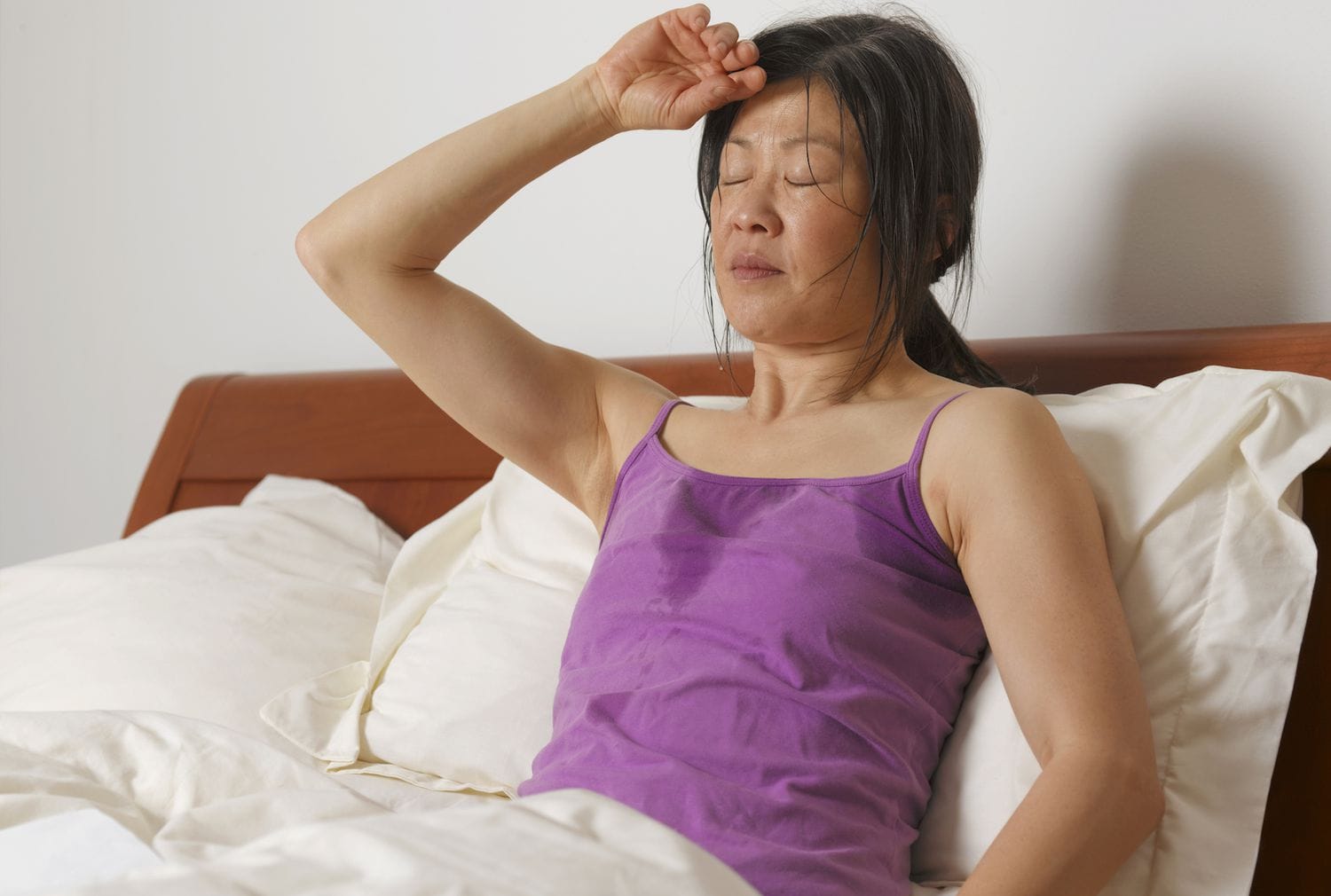
Few sleep problems feel as uncomfortable as waking up covered in sweat.
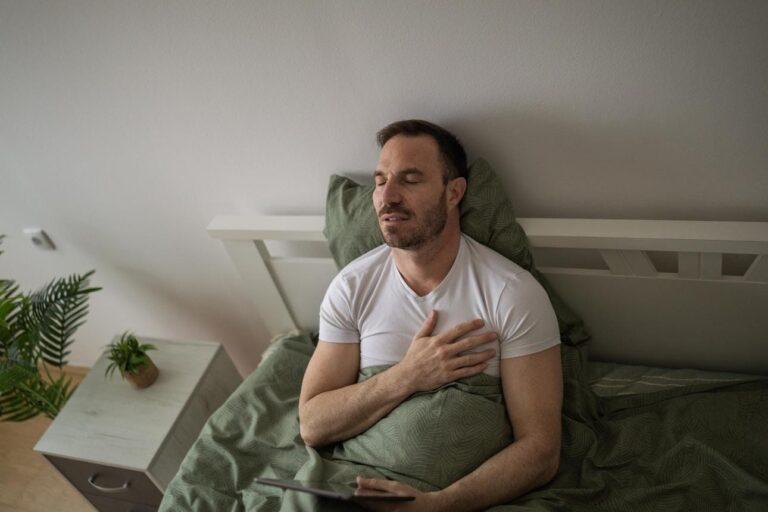
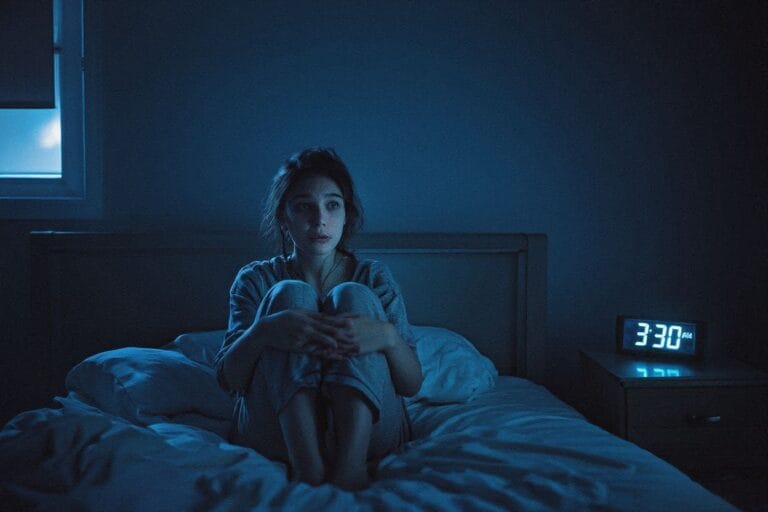
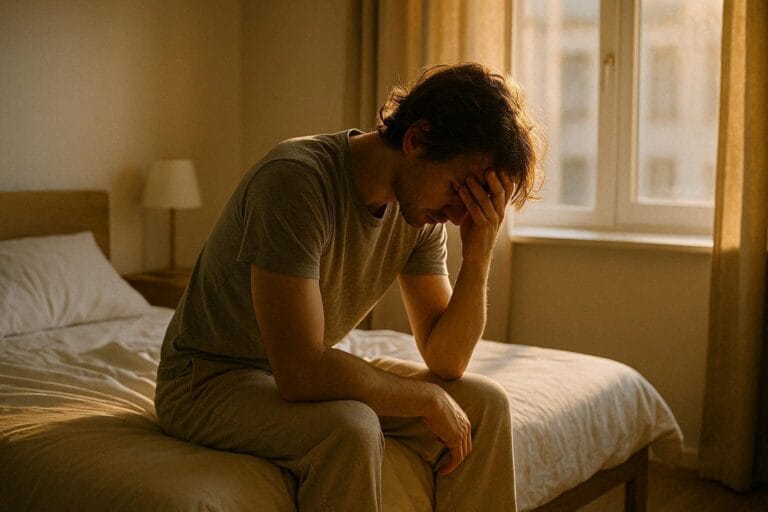
You go to bed expecting rest, but sometime during the night you suddenly wake up feeling hot, sticky, and uncomfortable.
Sometimes the room temperature feels normal. Sometimes your blanket is not even heavy. Yet your body feels overheated.
This experience is known as night sweats, and it can interrupt sleep cycles and leave you feeling tired the next day.
Occasional sweating during sleep can happen for many reasons. But when it becomes frequent, it usually indicates something affecting your body’s temperature regulation or sleep rhythm.
Understanding the causes can help you restore comfortable sleep again.
Why Night Sweats Happen
Your body temperature naturally changes throughout the night.
When sleep begins, the brain slightly lowers body temperature to prepare for deeper sleep stages.
This cooling process helps the body enter restorative sleep cycles.
However, when something interferes with this temperature balance, the body may respond by releasing heat through sweating.
This can wake you up in the middle of the night.
Night sweats often occur during lighter sleep stages, which makes it easier for the brain to wake up.
7 Hidden Causes of Night Sweating
Night sweats can occur for several reasons. Many of them are surprisingly common.
1. Stress and Anxiety
Stress affects the nervous system and hormone levels.
When your body experiences stress during the day, the nervous system may remain active even while you sleep.
This activation can trigger increased heart rate and body temperature, leading to sweating.
Nighttime anxiety is also known to cause sudden awakenings with sweating.
2. Sleeping in a Warm Environment
One of the simplest causes of night sweating is room temperature.
If the bedroom is too warm, your body may struggle to regulate heat during sleep cycles.
Heavy blankets or poor airflow can also trap body heat.
Sleep experts often recommend keeping the bedroom around 18–20°C (64–68°F) for optimal sleep.
3. Alcohol Before Bed
Alcohol can make people feel sleepy, but it also disrupts sleep cycles.
As alcohol is metabolized during the night, the body may experience temperature fluctuations.
These changes can trigger sweating and sleep disturbances.
4. Hormonal Changes
Hormones play a major role in body temperature regulation.
Changes in hormone levels can cause sudden increases in body heat.
While hormonal night sweats are often discussed in relation to menopause, they can also occur due to stress hormones or metabolic changes.
5. Blood Sugar Fluctuations
Blood sugar levels change during the night.
If blood sugar drops too low, the body releases stress hormones to restore balance.
These hormones can increase heart rate and body temperature, which may lead to sweating.
6. Heavy Meals Before Bed
Eating a large meal close to bedtime can increase metabolic activity.
The body must digest food while trying to sleep, which can raise body temperature.
This increased heat production can contribute to nighttime sweating.
7. Sleep Disorders
Certain sleep disorders can also trigger night sweats.
For example, fragmented sleep or breathing disturbances can activate stress responses in the body.
These responses may increase heart rate and cause sweating during sleep.
How Night Sweats Affect Sleep Quality
Night sweats do more than make you uncomfortable.
They can also disrupt your natural sleep cycles.
When sweating causes you to wake up during the night, your body may struggle to return to deeper sleep stages.
As a result, people who experience frequent night sweats often report:
- feeling tired in the morning
- fragmented sleep
- difficulty returning to sleep
- reduced deep sleep
Over time, these disruptions can affect daytime energy and mental focus.
How to Stop Sweating at Night
Fortunately, several lifestyle adjustments can reduce night sweats.
Keep Your Bedroom Cool
Temperature control is one of the most effective solutions.
Use breathable bedding and ensure proper airflow in your room.
Avoid Alcohol Late at Night
Reducing alcohol consumption in the evening can stabilize sleep cycles and reduce temperature fluctuations.
Choose Lightweight Bedding
Heavy blankets can trap heat.
Switching to breathable fabrics such as cotton or bamboo may help regulate body temperature.
Reduce Evening Stress
Relaxation techniques before bed can calm the nervous system.
Try:
- slow breathing
- reading
- gentle stretching
These habits help the body transition into sleep mode.
Improve Your Sleep Environment
Your bedroom environment plays a powerful role in sleep quality.
Consider these adjustments:
- keep lights dim before bed
- maintain a cool temperature
- reduce noise distractions
- avoid screens before sleep
These changes support natural sleep cycles.
When Night Sweats May Need Medical Attention
Occasional night sweating is usually harmless.
However, if sweating becomes frequent or severe, it may be helpful to consult a healthcare professional.
Persistent night sweats can sometimes indicate underlying health conditions or hormonal imbalances.
Professional guidance can help identify the cause.
Internal Link Suggestions
Link to these posts from your site:
- Why You Wake Up Every 2 Hours at Night
- Why Anxiety Gets Worse at Night
- Why You Feel Exhausted but Not Sleepy
Also link to your pillar:
Complete Guide to Fixing Poor Sleep Naturally
External Link Suggestions
Link to trusted sources such as:
- Sleep Foundation
- Cleveland Clinic
- NHS Sleep Advice
These add credibility.
FAQs (Schema Friendly)
Why do I wake up sweating at night?
Night sweats often occur due to temperature changes, stress, hormonal shifts, or sleep disturbances.
Can anxiety cause night sweats?
Yes. Anxiety activates stress hormones that can increase body temperature and sweating.
Are night sweats normal?
Occasional sweating during sleep is normal, but frequent episodes may indicate sleep disruption.
How can I stop night sweats naturally?
Improving bedroom temperature, reducing evening alcohol, and managing stress can help reduce night sweating.
Conclusion
Night sweats can be frustrating, especially when they interrupt sleep.
In many cases, the cause is related to stress, environment, or lifestyle habits rather than a serious health issue.
By improving your sleep environment and reducing nighttime stimulation, you can often restore comfortable sleep and wake up feeling refreshed.
Understanding how your body regulates sleep temperature is an important step toward better rest.
For a deeper explanation of sleep cycles and nighttime disturbances, explore the Complete Guide to Fixing Poor Sleep Naturally on this site.
Call to Action
If you found this guide helpful, consider sharing it with someone who struggles with sleep problems.
You can also explore the related articles on this site to learn more about improving sleep naturally.