

Falling Asleep Fast but Waking Up Tired? The Real Reason Sleep Isn’t Restoring
Falling asleep fast but waking up tired hits different. Doing all the things by the book – drifting off quick, staying under for hours, hardly stirring once – should count for something. Still, sunrise brings dullness behind the eyes, legs like lead, and a sense that rest never really landed.
What throws folks off? The way this plays out feels unfamiliar. Not the usual restless nights or hours spent awake. No visible stress either. Simply a deep tiredness with nothing clear causing it.
Waking up worn out, even when sleep comes easily, often has little to do with how long it takes to drift off – instead, it’s about what unfolds once you’re under. The real issue hides in the quiet hours behind closed eyes.

Why Falling Asleep Easily Is Misleading
Funny how quickly drifting off counts as a win for rest. Truth is, it signals just one detail: tiredness showed up right when you hit the pillow.
What occurs once you fall asleep decides how restful it feels. Moving easily between light sleep, deep phases, and dream-filled moments keeps your mind refreshed. If shifts among these get interrupted, the night might seem fine yet leave you drained by morning. How well things flow behind the scenes shapes how awake you feel later.
A single night can shift how you feel, simply because timing plays a bigger role than clock totals – according to insights from the Sleep Foundation.
Nighttime rest might come fast, yet often skips the repair work muscles crave.
Falling asleep quickly only shows that your body was sleepy at bedtime, not that sleep was restorative. What actually determines how refreshed you feel is whether your brain can move smoothly through full sleep cycles, including deep and REM stages, without repeated disruption — a process explained clearly by the Sleep Foundation.
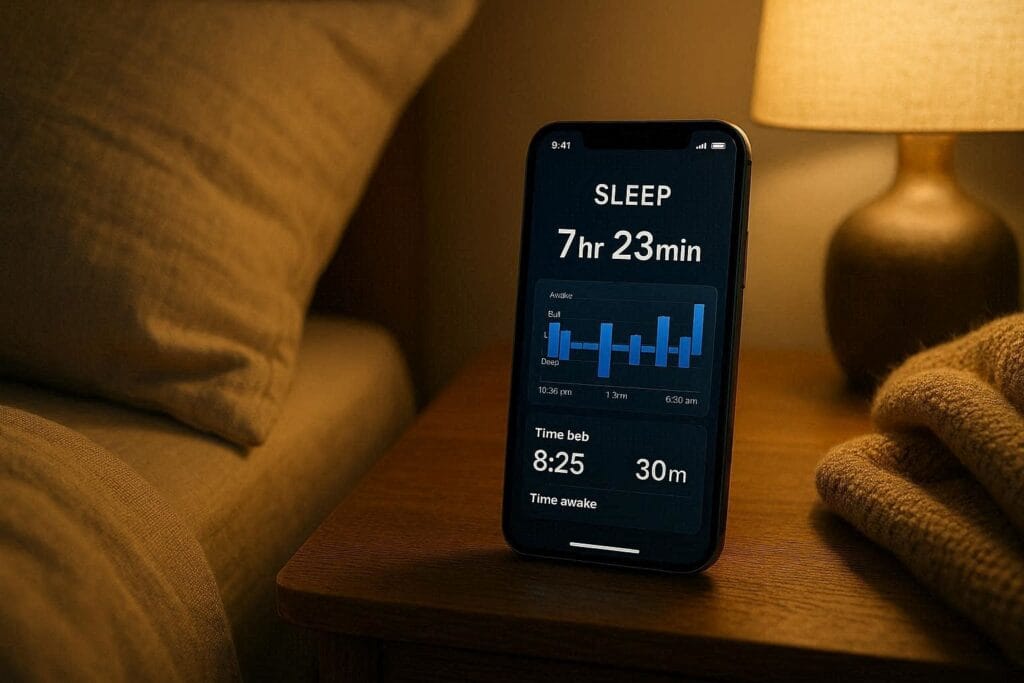
Why Common Advice Doesn’t Fix This Pattern
“Go to bed earlier”
When sleep comes quickly, pushing bedtime earlier usually means more hours of shallow rest instead of deeper restoration. Lengthening time under covers doesn’t always boost how refreshed you feel by morning.
“Add a sleep supplement”
Some find melatonin eases getting to sleep, yet it won’t fix broken rest patterns or a wired nervous system. Falling asleep quickly already? Then these pills might do nothing at all – sometimes even leave you more drowsy than before.
“Track your sleep more closely”
Some folks get hung up on sleep data. If the stats seem fine yet they’re still dragging, chasing quick tweaks becomes tempting – when that’s not what matters most. The real problem hides elsewhere.
This idea sticks around due to confusion. It lingers when people misread its meaning.
The Real Reasons You Wake Up Tired Despite Sleeping
Frozen but still ticking – that’s how your nerves stay through the night
Few realize how quiet tension lingers without panic. A busy mind, too much noise, or hours stretching thin can leave the body humming past dark.
Sleep depth is inconsistent
Even if you slip into deep sleep now and then, it rarely lasts long enough to recharge fully. What really counts isn’t total time asleep – it’s how broken up that rest is.
Some signs point to healing, yet others hint at ongoing strain
Eating late, winding down at odd times, mixed-up light patterns, or shifting routines throw off your system. You might doze – but healing skips town.
Mistakes pile up when you rush fixes before securing what already works. Shifting pieces too soon invites chaos where balance should grow. What feels like progress might just be noise building faster than results
Fiddling with habits now and then wakes up your mind. When tension fades, healing speeds up.
What Actually Improves This Pattern
This isn’t a matter of adding hours. Instead, it gives rest time to complete what it does.
- Stabilize wake time instead of bedtime
- Quiet things down at night, though you might think it doesn’t matter
- Every day, checking your rest can mess with how you see it. Wait a while before deciding anything. Patterns need time to show up clearly. Rushing leads nowhere useful. Notice changes only after weeks pass by slowly
- Focus on recovery habits, not sleep hacks
Safety signals in the body let rest settle naturally, not pushed. Predictability eases the mind into deeper nights. Calm wiring supports quiet hours. Stability shapes how well eyes stay closed.

When This Is Not the Issue
This piece won’t matter when:
Breathing hitches. A sudden jolt pulls you up, lungs tight, air gone. The room feels heavy. Each inhale scrapes like cold wire. Silence hums after the coughing stops
Sleep vanishes when pain arrives. It lingers long after dark begins
Daytime fatigue is extreme or worsening
When things go sideways, ditch the trial-and-error. A healthcare professional should step in instead.
What to Read Next
If this resonates, it often connects with:
These issues usually travel together.