
Headache After Sleeping: Causes and Fixes
Introduction
A headache after sleeping can feel confusing and unfair. You go to bed hoping rest will help, then wake up with pressure behind your eyes or a tight, heavy head that wasn’t there the night before.
You open your eyes. It’s morning. And instead of feeling rested, there’s a dull pressure behind your eyes—or a tight band around your head—that refuses to go away. You blink awake. Morning light spills in. Not refreshed, you notice a heavy throb deep inside your skull – a squeeze at your temples – nothing like how you felt before sleep.
This is what throws most folks off.
Last night was different. Rest came without effort. No drinks touched your lips. Everything felt balanced when you closed your eyes.
Ever wonder what causes that ache in your head when you first open your eyes in the morning?
Headaches when waking up? I know how that feels. Helped plenty who struggle too. Most write-ups skip the real story – those aches don’t just happen, nor vanish with some special pill or fancy cushion.
These are clues. When you see what triggers your body’s response, solutions feel dull – yet they work.
What’s Really Going On (Mechanism)
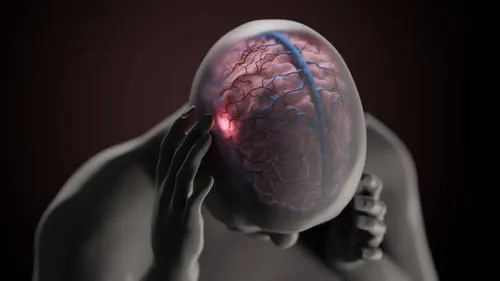
Begins before you even wake up, a headache rooted in nighttime shifts rather than morning surprises. Nighttime movements, often unnoticed, lay the groundwork while breathing patterns change slowly. Pressure builds quietly under closed eyelids, shaped by posture or tension held too long. Not an alarm at dawn but a continuation of unseen hours doing their work behind curtains.
Folks tend to run into these setups more than anything else out there
- Blood flow and oxygen shifts
Breathing that hitches, stays light, or gets blocked while you rest means less oxygen reaches your brain. Mild sleep apnea might cause it. So could a stuffy nose. Or lying flat without proper throat alignment. When oxygen drops, blood vessels react. That shift can spark head pain. - Neck and jaw tension
Your spine expects a natural curve, not constant bending through the night. When your cushion fails – either lofty, shallow, or sagging – you pull at delicate neck tissue. Toss in unconscious teeth pressure during sleep, often sparked by daily strain, and tightness creeps from shoulders toward the skull. - Dehydration while sleeping
Water slips away while you sleep, lost in breath and damp skin. Head to bed a little short on fluids, then by dawn the brain’s structure dips – compact just enough to wake sore spots. Not parched, not extreme. Just underdone, yet sufficient. - Sleep stage disruption
Waking up too often during the night, particularly when REM gets broken, pushes cortisol levels higher. This kind of unrest stirs inflammation inside the body. What follows might show up as a dull ache across the head. Not sudden or stabbing, more like tension tied to hormones or daily strain.
That’s the reason taking a pill won’t fix things later on. The signal gets silenced, yet the cause stays untouched
Sleep health issues often show up as morning symptoms like headaches.
Learn how these patterns connect in our Sleep Health: The Complete Evidence-Based Guide.
Common Myths or Wrong Advice

Time to toss out the garbage ideas.
Myth 1: “It’s just stress.”
Breathing shifts when pressure builds, muscles tighten along with it, sleep grows lighter because of those two. The ache arrives from these shifts, not merely from tension. That label – “just stress” – shuts down curiosity too fast. Fixing how you breathe, hold your body, rest at night matters more than naming the source.
Myth 2: “Buy a better pillow and you’re done.”
Finding relief often depends on what’s really causing the trouble. Some folks try pillow after pillow – costly ones – even when their real problem hides in nighttime jaw tension or open-mouth breathing.
Myth 3: “Take magnesium before bed.”
Waking up with headaches? Magnesium might ease things for a few. Yet tossing it down without knowing the root cause feels off track. This mineral won’t patch every gap.
Myth 4: “Morning headaches mean something serious.”
Few actually do. Some warning signs show up once in a while, yet most things work fine, never turning risky. Stuff that scares people tends to spread fast – answers rarely do.
Signs This Is Your Issue
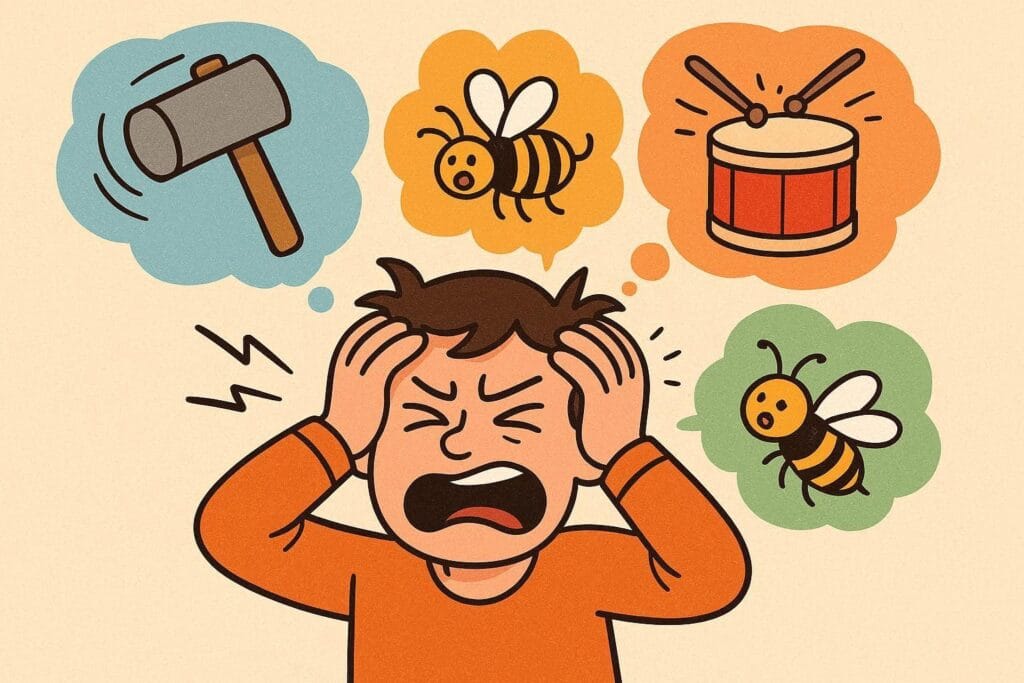
Should that be your story, then listen close
A dull throb greets you at dawn, softening by midmorning. That ache slips away, leaving little trace behind. Hours pass before it fully lets go
- A heavy ache spreads across, like a clamp squeezing slowly. This sensation stays steady, never sharp. Tightness wraps around without cutting into skin
- You have neck stiffness or jaw soreness in the morning
- You wake with a dry mouth or sore throat
- Headaches are worse after poor or long sleep
- Fewer hours might leave you feeling better. Longer rest can mess things up more
What shows up here isn’t random. It steers clear of migraine signs, landing instead on things tied to sleep disruptions.
What Actually Helps (Evidence-Based)

Most blogs miss the mark here – some dive too deep, others barely scratch the surface. What follows is different because it sticks to what truly matters. That changes everything.
- Fix breathing first (not supplements)
Waking up with a sore head and parched lips? That could mean you are breathing through your mouth at night. Instead of ignoring it, consider something like a saltwater spray or special strips for the nose. When air moves easier through the nose, more oxygen gets where it needs to go. Less strained blood vessels often means those early-morning headaches fade.
Early head pain might link to uneven breath patterns at night, says the Sleep Foundation. Their findings show air pauses during rest can lead to discomfort by sunrise. - Try changing how high your pillow sits instead of focusing on who made it
Your head sits straight when your nose lines up above your chest bone. For those who rest on their side, a taller cushion works better than for ones lying on their back. A pillow failing by morning means it cannot hold position through the night. - Stop underestimating hydration
Thirst sneaks up quietly. Sip water now and then throughout daylight hours. Try a modest glass roughly half an hour to an hour before sleeping – only if nights stay undisturbed. Waking with head pressure? It might fade fast, sometimes just a few dawns. - Release jaw tension before bed
Hold your breath while stretching the jaw wide for two minutes. Try pressing the tongue up during slow air pulls through the nose. Roll the head gently to ease tight spots behind the ears. Teeth grinding sneaks in when pressure builds but stays unnoticed. That silent clenching shares roots with daily strain. - Consistent sleep timing beats longer sleep
Waking up late might make headaches feel worse. When you rise at the same time every day, your body’s stress hormone flow tends to settle down by dawn. That quiet rhythm often eases the tightness some notice upon waking.
For medical context, the National Institutes of Health links sleep fragmentation to inflammatory pain responses.
What to Avoid (Mistakes)

Steer clear of these when solving the problem matters
- Don’t rely on nightly painkillers – rebound headaches are real
- Sleeping too much Saturday or Sunday throws off your body’s clock. That inner timer likes consistency, not weekend surprises
- Don’t ignore jaw pain – it’s not “just teeth”
- Close to bed, skip the alcohol. It dries you out more, plus your sleep breaks apart easier. Nighttime drinks pull water from your body while making rest shaky
- Avoid racing after what’s popular right now. Cold soaks and tricks for better rest miss the real issue entirely. Fixing how things work comes first
Recovery Timeline / What to Expect
Here’s the honest timeline, not hype:
- 3-5 days: Symptoms ease up once fluids go down better. Breathing gets smoother.
- 1-2 weeks: Morning headaches begin fading within a few days once posture adjusts. Jaw tension eases soon after small changes take hold.
- 3–4 weeks: Noticeable consistency if sleep timing stabilizes
A shift might not come even after weeks of honest effort. When that happens, seeing a specialist helps clarify things – sleep apnea could be lurking, or maybe stubborn sinus trouble. Medicines sometimes play a role too, their unseen effects piling up quietly. Getting checked makes sense when patterns refuse to budge.
This takes time – yet there’s a way through.
Conclusion
Head pain when opening your eyes? Not proof of failure. Signals instead: nighttime conditions missed alignment. Your system flagged a mismatch.
- Breathe right first – medicine later.
- Fix posture before gadgets.
- Fix consistency before extremes.
Direction matters more than pushing harder. People often move without knowing where.
Most mornings get better once the tension lifts. Should you keep a steady rhythm, pay attention, notice patterns, peace often returns by itself. Then rest turns into something quiet again – not work, just relief arriving without noise.