Sleep Feels Broken? Why You’re Not Fully Awake but Still Not Rested
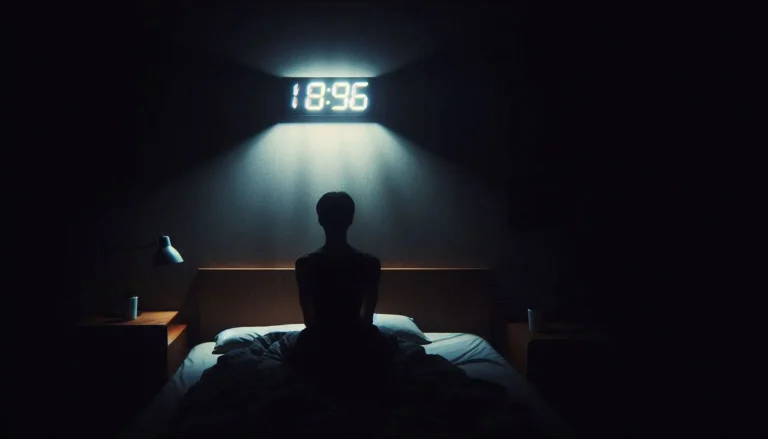
Sleep feels broken even though you were never fully awake.That restless feeling slips in quietly. Morning light arrives, yet the night seems broken into pieces. Lying down was no battle, no wide-awake waiting. Tossing around? Doesn’t ring a bell. Still, rest never quite landed. Something about the dark hours feels loose, unconnected, like threads that never wove.
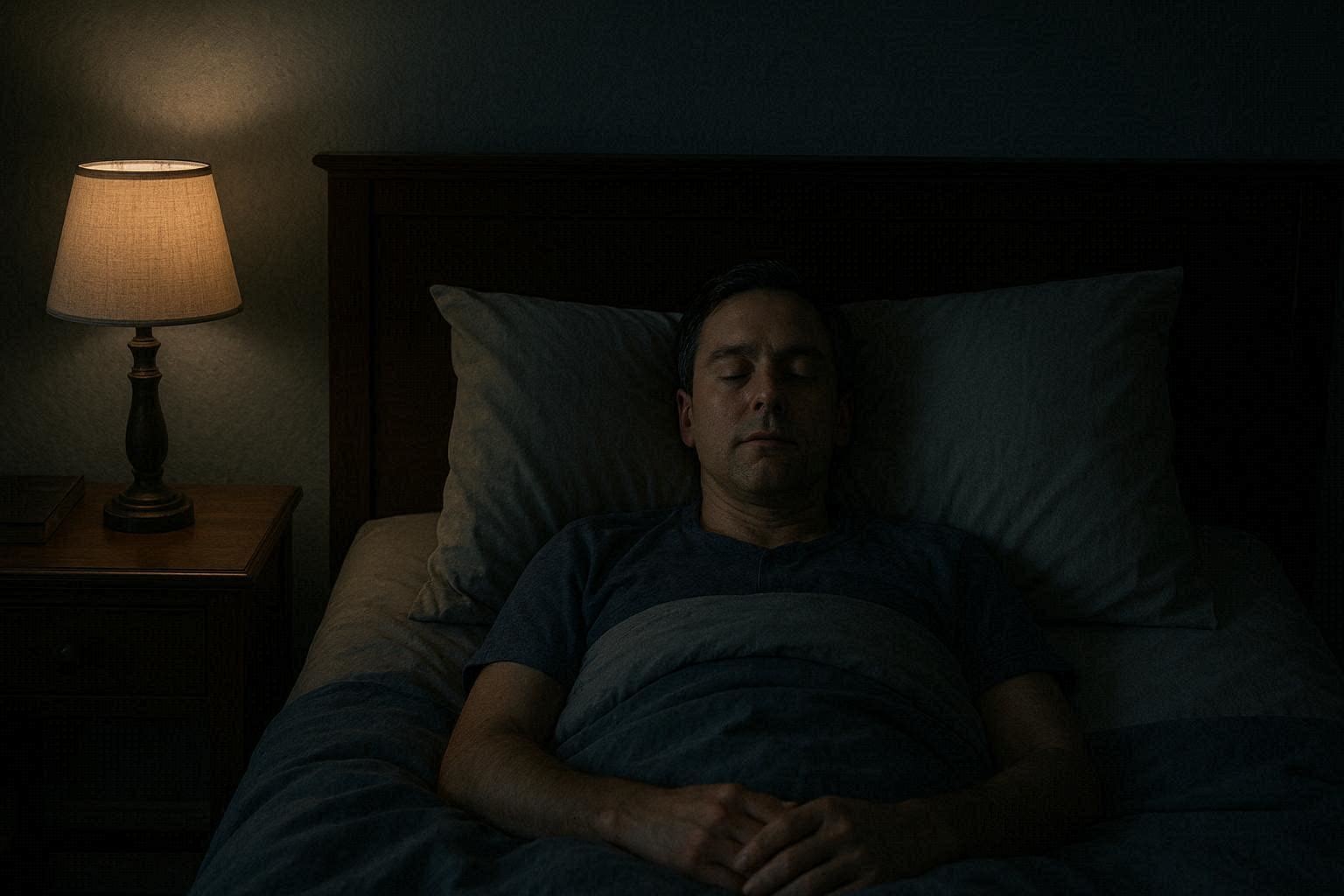
This confusion hits hard when rest feels absent despite sleeping through the night. Lying still did not help. Calmness was there. Yet recovery never arrived.
Most nights, people struggle not with getting to sleep, but with keeping it steady through the hours when rest should take hold. It drifts away before repair begins.

Why This Doesn’t Feel Like Insomnia
Insomnia usually comes with awareness:
- Trouble falling asleep
- Long awakenings
- Waking too early and feeling alert
Rest that feels cracked isn’t like regular rest.
Those who fit this description usually show these traits
- Fall asleep quickly
- Stay in bed most of the night
- Breathe slow when dark comes. Peace shows up quiet. Rest arrives without asking. Night holds still like that
- Wake up tired and foggy
It happens when your rest breaks apart while still keeping you under. You might never notice it at all.
What’s Actually Happening During the Night
Rest does not happen all at once like one long blank pause. Through the night, it flows in loops – shallow pauses first, then heavier stillness, followed by bursts of vivid dreaming.
Every time the mind gets poked awake, just a little, rest starts to fray. Sleep stays present, yet healing stumbles through gaps. The rhythm never settles, always breaking under small jolts.
People call it sleep fragmentation when rest gets broken up.
Frequent pauses in rest tend to come from broken sleep cycles – tiny wake-ups that slice through the night while keeping you unaware. These splits in slumber are outlined clearly by the Sleep Foundation.
Why You Don’t Remember Waking Up
For a moment, everything stops. Brief pauses, they last just a few seconds at most.
Not quite counted as fully alert, yet lasting sufficient time to:
- Break deep sleep
- Shorten REM sleep
- Frozen progress halts what could have been a complete reset of nerve function
You start the day worn out, though you cannot say why. When sleep lacks complete presence of mind, recall slips away like water through fingers.
Common Triggers That Cause Broken Sleep
Few realize how quiet flaws shape this trend instead of bold mistakes:
- Nervous system staying slightly alert all night
- Mental load carried into sleep
- Irregular sleep timing
- Spending too much time in bed
- Constantly monitoring or evaluating sleep
Worry isn’t needed here at all. Stress has no place with any of these.
Why People Make This Worse Without Realizing It
Good intentions sometimes break up your sleep
- Finding ways to rest more fully at night
- Tracking sleep every morning
- Mistakes pile up when changes rush in. Speed trips over careful thought. Too fast, too soon – balance slips away
- Resting more by staying under the covers can help balance things out
This kind of strain only sharpens the edge of exhaustion – a reaction poor rest can’t handle well.
What Actually Helps Sleep Feel Whole Again
When rest settles into a steady rhythm, things start to get better. Sleep does not need fixing. A regular pace matters more than pushing for peak performance. The body adjusts once the nights become predictable. Progress shows up quietly, without forcing anything.
What helps most:
- Keep a consistent wake-up time
- Reduce time in bed slightly
- Take a break from monitoring your sleep for now
- Lower evening stimulation
- Fixing every rough evening isn’t needed
Safety in the mind lets sleep sink lower. When the brain trusts there is no threat, it releases its hold on alertness slowly. This quiet confidence opens a door to heavier rest. Without tension watching from behind, thoughts drift further away. The body then slips into stiller states. Deep waves take over only when internal alarms turn off completely.

When This Is NOT the Right Explanation
This piece won’t matter when:
- You wake gasping or choking
- Falling asleep feels harder when pain shows up
- Heavy drowsiness during daylight hours grows stronger over time
When it comes to such situations, seeing a doctor counts for more than trying things on your own.
Conclusion
Waking up multiple times each night might make you think your body has given up on rest. Truth is, most of the time, it’s just a hiccup in how sleep sticks together – not proof you’re doing anything wrong.
Deep sleep won’t come by trying harder. A steady routine helps, less tension matters, also allowing moments to quiet down. Once interruptions fade, rest no longer seems scattered – it begins to feel complete once more.