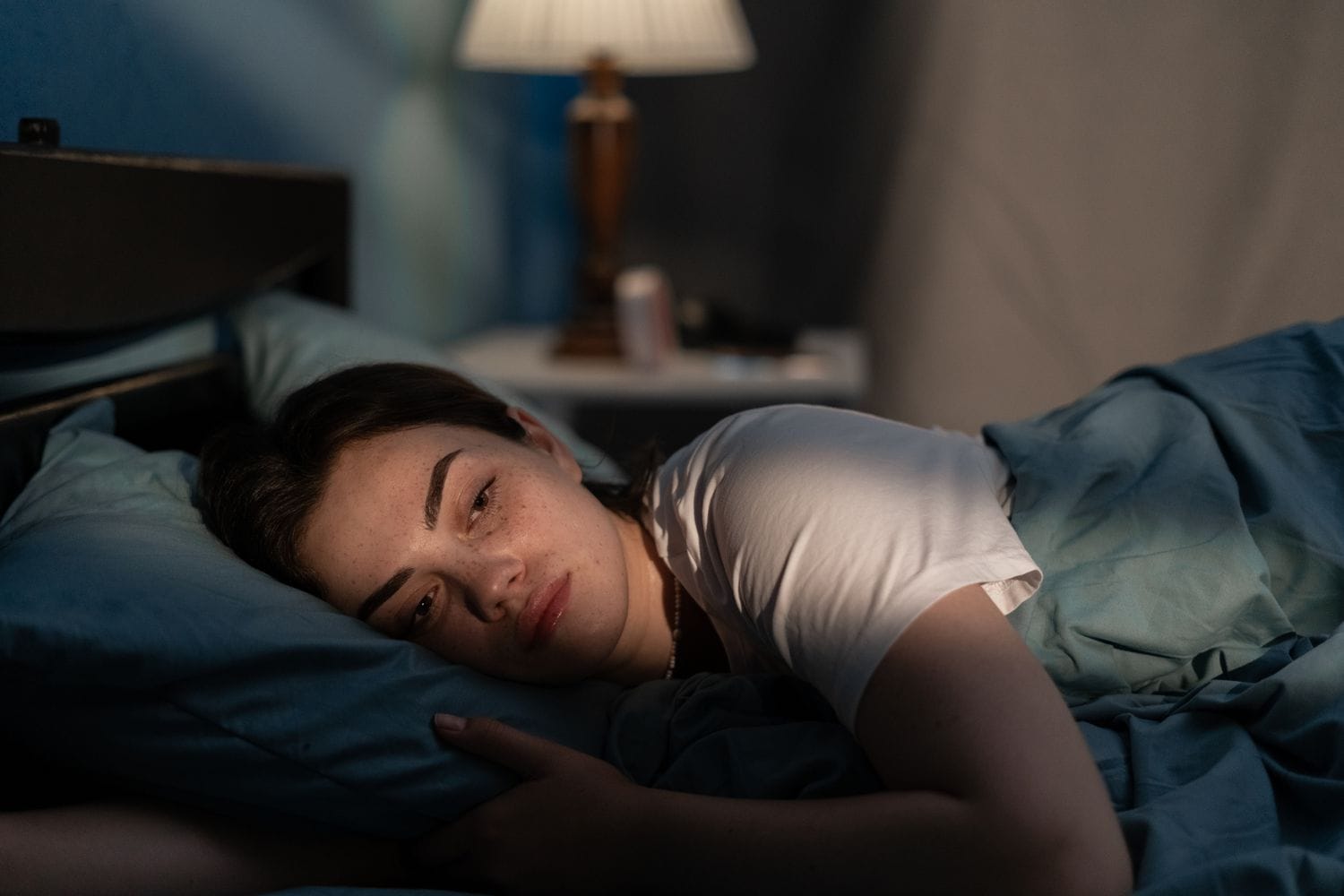
Why Your Heart Starts Racing When You Try to Sleep
At the end of the day, sleep should feel natural.
You finish your evening routine, lie down in bed, and expect your body to relax.
But instead of feeling calm, something strange happens.
Your heart begins beating faster.
You feel it in your chest. Sometimes it feels loud, almost like your body suddenly became alert instead of sleepy.
You may even start thinking:
“Why is my heart racing when I’m trying to sleep?”
For many people, this moment becomes frustrating because the body feels tired but the nervous system suddenly feels active.
The truth is that this experience is far more common than most people realize. Many individuals experience episodes where their heart rate feels stronger or faster as soon as they lie down to sleep.
Understanding the reasons behind this reaction can help reduce fear and improve sleep quality over time.
Why Your Heart Feels More Noticeable at Night
One of the first things to understand is that your heart may not actually be beating dramatically faster.
Instead, your body simply becomes more aware of it.
During the day, your brain is constantly occupied with external information. Work tasks, conversations, movement, and environmental noise keep your attention focused outward.
But when night arrives and the bedroom becomes quiet, the brain becomes more aware of internal body sensations.
This includes:
- heartbeat
- breathing patterns
- muscle tension
- stomach activity
Because everything around you becomes quieter, these sensations feel stronger.
Your heart might be beating at a completely normal rate, but the quiet environment makes it feel more intense.
The Role of the Nervous System
Your nervous system controls how relaxed or alert your body feels.
There are two major states your nervous system can operate in.
The sympathetic nervous system is responsible for alertness and survival responses. It prepares your body for action, increasing heart rate and releasing stress hormones.
The parasympathetic nervous system is responsible for rest and recovery. This state slows heart rate and prepares the body for sleep.
For sleep to happen naturally, the body must shift from sympathetic activity into parasympathetic activity.
However, modern life often keeps the nervous system slightly activated even at night.
Stress, mental pressure, and daily responsibilities can prevent the body from fully relaxing.
When you lie down in bed, the nervous system may still be operating in alert mode.
This can cause your heart to feel like it is racing when in reality your body is simply still activated.
Stress and Mental Pressure
Stress is one of the most common reasons people experience heart racing before sleep.
Even if you do not feel consciously anxious, your body may still be processing stress from the day.
For example, if you experienced pressure at work, unresolved problems, or emotional conversations, your brain may continue processing those experiences after you go to bed.
At night the brain often replays thoughts such as:
- unfinished tasks
- worries about tomorrow
- social situations
- future responsibilities
These thoughts can trigger small stress responses in the body.
When this happens, your heart rate may increase slightly as the body prepares for potential action.
Nighttime Overthinking
Many people notice that their mind becomes most active right when they try to sleep.
This happens because the brain finally has space to think.
During the day, distractions keep the brain occupied. Work, conversations, and constant information prevent deeper reflection.
But at night, when the environment becomes quiet, the brain begins processing everything that was pushed aside earlier.
This can lead to a cycle of overthinking.
Thoughts may jump from one topic to another, and each new thought can stimulate the nervous system.
The result is a body that feels tired but a mind that remains active.
The Influence of Cortisol
Cortisol is a hormone often associated with stress, but it also plays an important role in daily rhythms.
Normally cortisol levels are highest in the morning and gradually decrease throughout the day.
By nighttime, cortisol levels should be relatively low so the body can enter a relaxed state.
However, when stress levels remain high, cortisol patterns can become disrupted.
If cortisol remains elevated in the evening, the body may struggle to transition into sleep mode.
This can lead to feelings of alertness and increased heart rate.
Blood Sugar and Nighttime Alertness
Another possible cause of heart racing before sleep involves blood sugar regulation.
Your body continuously monitors blood sugar levels, even while you are sleeping.
If blood sugar drops too low, the body releases stress hormones to bring it back up.
These hormones include adrenaline, which can increase heart rate.
This reaction can make your body suddenly feel alert, even if you were about to fall asleep.
This situation may occur more often when:
- meals during the day are inconsistent
- dinner is very light
- alcohol is consumed in the evening
Maintaining stable nutrition throughout the day can reduce these nighttime fluctuations.
How Evening Habits Affect Heart Rate
Many evening habits can unintentionally keep the body stimulated.
Examples include:
- scrolling through social media
- watching intense television shows
- working late on a laptop
- engaging in stressful conversations
These activities keep the brain active when it should be winding down.
Electronic devices also emit blue light, which can delay melatonin production.
Melatonin is the hormone that signals to the body that it is time to sleep.
When melatonin release is delayed, the brain may remain alert and your heart rate may stay elevated.
How to Calm Your Heart Before Sleep
If your heart begins racing when you lie down, the goal is to help your nervous system relax.
Instead of trying to force sleep, focus on creating conditions that allow the body to shift into recovery mode.
Practice Slow Breathing
Slow breathing is one of the simplest ways to calm the nervous system.
When you breathe slowly and deeply, your body receives signals that it is safe to relax.
Try inhaling slowly through your nose and exhaling gently through your mouth.
This type of breathing can reduce stress signals and help the heart rate slow naturally.
Reduce Evening Stimulation
Your brain needs time to transition from daytime activity into rest.
Avoid intense screen use or stressful discussions close to bedtime.
Instead, choose activities that allow your mind to unwind.
Create a Night Routine
A consistent bedtime routine signals to your brain that sleep is approaching.
Activities such as reading, stretching, or journaling can help calm mental activity.
When these routines become consistent, the body begins associating them with sleep.
Keep Your Sleep Environment Calm
A comfortable bedroom environment also helps the body relax.
Factors that support sleep include:
- a dark room
- cool temperature
- minimal noise
- comfortable bedding
When the body feels physically comfortable, the nervous system can relax more easily.
When Heart Racing Might Need Medical Attention
Occasional heart racing before sleep is often related to stress, anxiety, or nervous system activity.
However, if the sensation occurs frequently or becomes severe, it may be helpful to speak with a healthcare professional.
Conditions such as anxiety disorders, sleep disturbances, or heart rhythm problems can sometimes contribute to persistent symptoms.
Seeking professional advice when symptoms become concerning is always a good step toward protecting your health.
Understanding the Bigger Picture of Sleep
Sleep is influenced by many interconnected systems.
Your nervous system, hormones, circadian rhythm, and daily habits all work together to regulate sleep.
When one of these systems becomes disrupted, the body may struggle to relax at night.
The good news is that small adjustments to daily habits can gradually restore balance.
For a deeper explanation of how sleep cycles, stress, and daily routines influence sleep quality, you can explore the Complete Guide to Fixing Poor Sleep Naturally, which explains the science behind sleep and ways to restore healthier rest.
FAQ
Why does my heart beat faster when I lie down to sleep?
This often happens because the nervous system is still activated from stress or mental stimulation earlier in the day.
Can anxiety cause heart racing at night?
Yes. Anxiety activates stress hormones that increase alertness and heart rate.
Is it normal to notice my heartbeat when lying down?
Yes. When the environment becomes quiet, internal body sensations such as heartbeat become more noticeable.
How can I calm my heart before sleeping?
Practicing slow breathing, reducing evening stimulation, and creating a relaxing bedtime routine can help calm the nervous system.
“To understand how sleep cycles and nighttime anxiety affect your sleep, read our complete guide to fixing poor sleep naturally.”