
Why You Suddenly Feel Restless Once You Get Into Bed
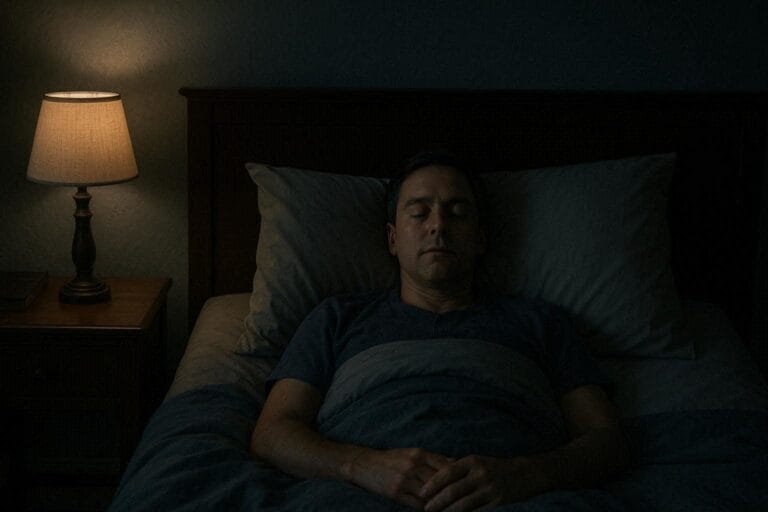
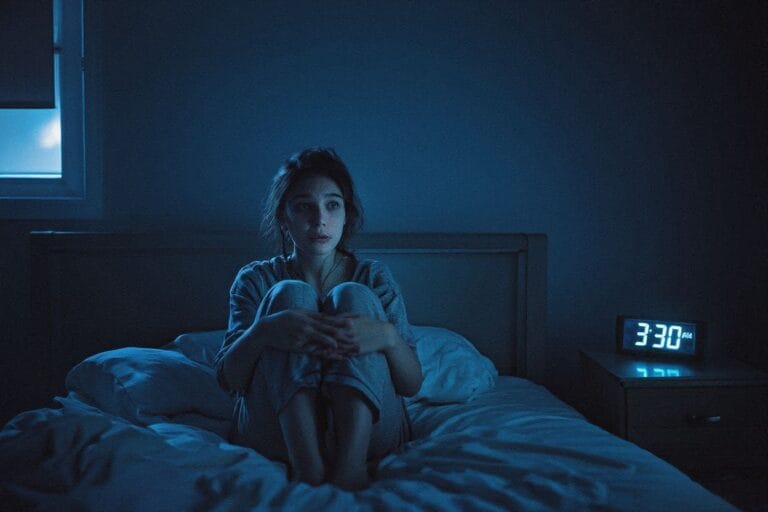
There are some evenings when the body feels fairly normal all evening—until the moment you finally crawl into bed.
Suddenly restlessness appears. The body feels uncomfortable, tense, alert, overstimulated, or strangely unable to settle down calmly for sleep.
For some people, once the lights go out, it is hard for them to relax because they can sense constant repositioning, nervous energy, leg movement, chest awareness, racing thoughts, or an uncomfortable feeling.
Others describe the sensation as difficult to explain clearly. The body simply feels “too awake” the moment bedtime begins.
A lot of people notice that symptoms get worse when the room is quiet and there are no distractions. Factors that may contribute to restlessness at night include stress, emotional exhaustion, poor sleep, overstimulation, anxiety, and inconsistent sleep habits.
Of course everyone can have a bad night’s sleep now and then, particularly in times of stress, but if symptoms persist or worsen, these should be properly assessed when appropriate.
Why Restlessness Often Starts Right After Getting Into Bed
The transition from daytime activity into nighttime stillness can feel surprisingly abrupt for the body.
During the day, movement, noise, work, screens, conversations, and distractions are constantly taking up attention. Once bedtime starts, the body suddenly becomes still and quiet.
For some people, this quietness makes physical sensations and emotional stress feel much more noticeable.
Some people notice:
- nervous energy
- physical tension
- uncomfortable body awareness
- chest sensations
- racing thoughts
- leg movement
- difficulty staying still
- overstimulation before sleep
Others feel mentally exhausted while the body still feels physically alert.
Stress and Mental Overload Can Keep the Body Alert
Stress does not always disappear once the day ends.
After emotionally exhausting days, chronic stress, overthinking, or prolonged anxiety, the body may struggle to fully relax before sleep.
Many people notice symptoms become stronger during the following:
- stressful life periods
- emotional burnout
- sleep anxiety
- irregular sleep schedules
- periods of poor sleep
- overstimulation late at night
For some people, bedtime becomes the first truly quiet moment of the day, which may suddenly increase awareness of stress and physical tension.
Others notice the body feels “wired but tired.”
Why Poor Sleep May Make Restlessness Worse
Sleep deprivation may increase emotional and physical sensitivity over time.
When sleep quality becomes inconsistent, the body may become more reactive to stress, stimulation, discomfort, and nighttime sensations.
Many people notice restlessness becomes stronger after the following:
- several nights of poor sleep
- excessive caffeine
- overstimulation before bed
- emotionally draining days
- long screen exposure at night
- inconsistent sleep schedules
Some people also notice they become overly focused on “trying to sleep,” which may increase frustration and physical tension even more.
Physical Symptoms That May Happen Alongside Restlessness
Nighttime restlessness may sometimes happen alongside other nighttime symptoms.
Some people also experience:
- body tension
- shaking feelings
- chest heaviness
- body vibrations
- dizziness
- breathlessness
- racing heartbeat
- tingling sensations
- restless legs
- adrenaline rush feelings
For some people, multiple nighttime symptoms begin appearing together during stressful or exhausting periods.
Helping the Body Settle Down More Comfortably
The goal is not forcing sleep instantly. The goal is reducing physical and emotional overstimulation gradually before bed.
Helpful nighttime habits may include:
- reducing caffeine later in the day
- limiting overstimulation before sleep
- reducing late-night screen exposure
- improving sleep consistency
- dimming lights earlier
- creating slower nighttime routines
- allowing more recovery time after stressful days
Some people also notice improvement from:
- gentle stretching
- breathing exercises
- relaxing audio
- reading quietly
- reducing pressure to “fall asleep fast”
Small improvements often help more over time than aggressively trying to force sleep.
When Restlessness Should Be Taken Seriously
Occasional nighttime restlessness may happen during stressful periods, but persistent or worsening symptoms should always be discussed with a healthcare professional.
Medical evaluation may be important if symptoms happen alongside the following:
- severe chest pain
- severe breathing difficulty
- fainting
- worsening dizziness
- severe neurological symptoms
- severe leg discomfort
- worsening panic attacks
- loss of coordination
Physical symptoms should never be self-diagnosed online without proper medical guidance.
Related Sleep Guides
Many of the symptoms that occur at night may be consistent with more general sleep disturbance patterns, anxiety-related sleep problems, and atypical nighttime sensations. You can also look at our Sleep Problems & Better Sleep Guide for more symptom explanations and recovery tips for sleep.
Frequently Asked Questions
Why do I suddenly feel restless once I get into bed?
Stress, anxiety, poor sleep, overstimulation, emotional exhaustion, and nighttime body awareness may contribute to restlessness before sleep.
Can anxiety make the body feel restless at night?
Yes. Anxiety may sometimes increase physical alertness, nervous energy, muscle tension, and difficulty relaxing before sleep.
Why does restlessness feel worse at bedtime?
Many people become more aware of physical sensations and emotional stress once the environment becomes quiet before sleep.
Can poor sleep increase nighttime restlessness?
Yes. Poor sleep quality may increase physical sensitivity, stress responses, and nighttime overstimulation over time.
Should I worry about nighttime restlessness?
Occasional symptoms may happen during stressful periods, but persistent or worsening symptoms should always be medically evaluated properly.
Trusted Sources & References
- Sleep Foundation — Anxiety and Sleep
- Cleveland Clinic — Physical Symptoms of Anxiety
- PubMed — Stress and Sleep Disturbance
Bottom Line
Getting into bed and suddenly feeling restless, especially when the body feels like it cannot fully settle down for sleep, can be frustrating and emotionally draining.
These feelings can be caused by stress, anxiety, emotional exhaustion, poor sleep, and overstimulation at night. It is not uncommon to have symptoms from time to time during difficult times, but persistent or worsening symptoms should always be properly assessed.
Over time, better sleep habits, less overstimulation, and more time to recover from stress could gradually lead to more comfort and relaxation at night.
About the Author
Kishalay Roy is the publisher of CoreBalanceLife, a website about sleep and topics like nighttime anxiety, strange sensations in the body before sleep, sleep disruption, and practical education about sleep wellness. He aims to produce calm, evidence-based content that will help readers to better understand common nighttime symptoms and sleep-related problems.